Navigating iPhone Sideloading: Practicalities and Security in a Shifting Ecosystem
The Evolving Landscape of iPhone App Distribution
For years, the iPhone ecosystem has been defined by a singular gateway for applications: the Apple App Store. This centralized model provided a streamlined, curated experience, but also limited user choice and developer flexibility. However, with the advent of new regulatory frameworks, notably the European Union's Digital Markets Act (DMA), the landscape for installing applications on iPhone is undergoing a significant transformation. This shift introduces what is broadly referred to as 'sideloading' – the process of installing apps from sources other than Apple's official App Store.
Editor's pick: iPhone Pro Max cases & grips on Amazon → As an Amazon Associate, this site earns from qualifying purchases.
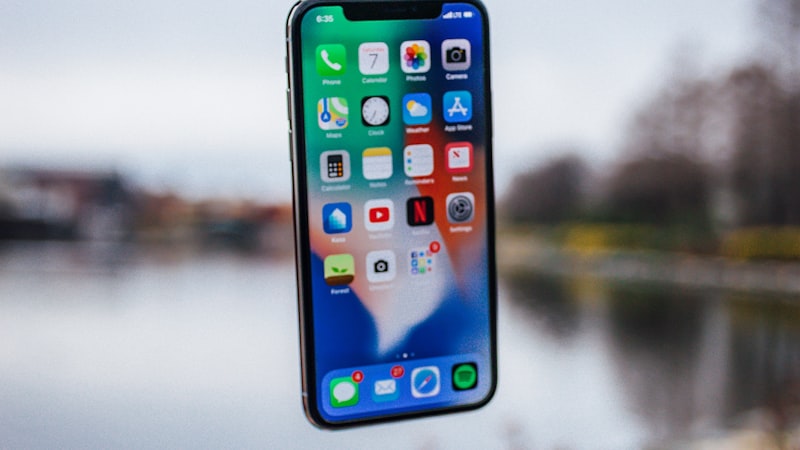
It is crucial to clarify the terminology. While 'sideloading' often conjures images of directly installing raw application files (.ipa) onto a device, the primary consumer-facing change driven by the DMA is the allowance of alternative app marketplaces. These are essentially third-party app stores that operate alongside Apple's own, offering their own selection of applications. This approach provides a structured method for users to access a wider array of apps and for developers to distribute them, moving beyond the traditional App Store monopoly.
Before the DMA: Limited Off-Store Options
Prior to these regulatory changes, installing apps outside the App Store was largely confined to specific use cases. Developers could deploy their creations directly to devices for testing purposes using Xcode, requiring a Mac and a registered developer account. Enterprises also had the capability to distribute proprietary internal applications to their employees via managed profiles, bypassing the public App Store entirely. These methods, however, were not designed for general consumer use and came with their own technical complexities and restrictions.
The DMA has fundamentally altered this dynamic, particularly for users within the EU. By mandating that Apple permit alternative app distribution channels, it opens the door for a more diverse and competitive app environment. For the average iPhone user, this means the emergence of new app marketplaces from various companies, each potentially offering unique apps, different pricing models, or specialized content not found on the App Store.
How Alternative Marketplaces Transform App Access
Accessing apps through these new marketplaces involves a slightly different process than what long-time iPhone users are accustomed to. Instead of directly searching the App Store, users will first need to download and install an alternative app marketplace from a trusted provider. Once installed, this marketplace functions much like the App Store itself, allowing users to browse, download, and manage applications from that specific platform.
The introduction of these alternative channels presents both exciting opportunities and new considerations. On one hand, it promises greater competition, potentially leading to more innovative applications, competitive pricing, and a reduction in Apple's historical 15-30% commission, which could translate to savings for consumers or greater revenue for developers. It also allows for niche applications that might not meet Apple's specific App Store guidelines but are perfectly legitimate and useful for certain user groups.
Navigating Security and User Experience
With expanded choice comes a greater responsibility for users to exercise discretion. Apple's App Store, for all its limitations, provided a baseline of security and quality control through its review process. While alternative marketplaces are expected to implement their own vetting procedures, the overall landscape for security becomes more fragmented.
- Source Verification: Users must be vigilant in choosing reputable alternative marketplaces and carefully consider the source of the applications they download. Not all apps will have undergone the same rigorous security checks as those in the App Store.
- Malware and Privacy: The risk of encountering malware, scam applications, or apps with questionable data privacy practices increases when downloading from less-vetted sources. Always review app permissions carefully before granting access to sensitive data or device features.
- App Quality and Updates: The consistency of app quality, performance, and timely updates may vary across different marketplaces and developers. Users should be aware that update mechanisms might not always be as seamless as with the App Store.
- System Integration: Users should be mindful that apps from alternative sources might not always integrate seamlessly with iOS system-wide settings, potentially impacting accessibility features like dynamic type or dark mode preferences, a topic we frequently cover for optimal reading comfort at iPhone View. This can lead to a less consistent user experience across the device.
Best Practices for the Discerning User
As the iPhone ecosystem evolves, adopting best practices for managing your apps becomes more critical:
- Research Marketplaces: Before installing any alternative marketplace, research its reputation, security policies, and the types of apps it hosts.
- Read Reviews: Just as with the App Store, pay attention to user reviews and ratings for apps within alternative marketplaces.
- Understand Permissions: Be cautious about apps requesting excessive permissions that seem unrelated to their core functionality.
- Stay Updated: Ensure both your iOS operating system and all installed applications, regardless of their source, are kept up-to-date to benefit from the latest security patches.
- Backup Regularly: Maintain regular backups of your iPhone data, especially when experimenting with new app distribution channels.
Conclusion
The move towards alternative app distribution on iPhone marks a significant shift, promising greater user freedom and developer choice. While the traditional App Store remains a secure and familiar option, the emerging landscape of alternative marketplaces broadens the horizons for iPhone customisation and utility. By understanding the practicalities and remaining vigilant about security, iPhone users can confidently navigate this evolving ecosystem, unlocking new possibilities while safeguarding their devices and data.