Foldable iPhone: Exploring the Potential of Variable Refresh Rate Technology
Foldable iPhone: Exploring the Potential of Variable Refresh Rate Technology
The foldable iPhone, anticipated to be a significant departure from Apple's traditional smartphone design, presents unique opportunities and challenges for display technology. One area ripe for innovation is the implementation of variable refresh rate (VRR) technology. While Apple has employed ProMotion technology (adaptive refresh rates up to 120Hz) in its iPad Pro and recent iPhone models, the larger, more dynamic display of a foldable iPhone could greatly benefit from a more sophisticated and granular VRR system.
Editor's pick: iPhone Pro Max cases & grips on Amazon → As an Amazon Associate, this site earns from qualifying purchases.
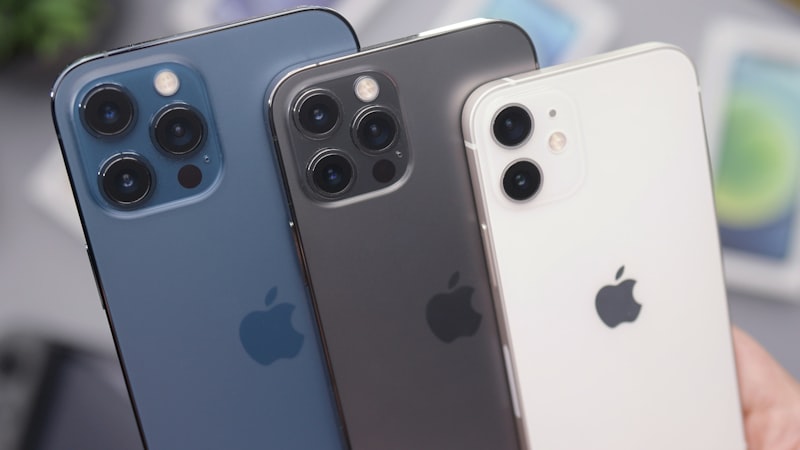
Current ProMotion technology dynamically adjusts the refresh rate based on the content displayed, switching between 10Hz, 24Hz, 30Hz, 48Hz, 60Hz, and 120Hz. This allows for smoother scrolling and animations when needed, while conserving battery life during static content viewing. However, the foldable iPhone’s form factor, with its larger screen area and potential for more complex interactions, necessitates a more nuanced approach.
Why a More Granular VRR System?
The increased screen real estate of a foldable iPhone opens doors to new multitasking paradigms, gaming experiences, and content consumption habits. A more granular VRR system, capable of adjusting the refresh rate in smaller increments (e.g., from 10Hz to 120Hz in steps of 1Hz or 5Hz), would offer several advantages:
- Optimized Battery Life: Precisely matching the refresh rate to the content being displayed minimizes power consumption. For example, displaying a static image could benefit from a refresh rate as low as 1Hz or even lower, significantly extending battery life.
- Enhanced Visual Clarity: Dynamically adjusting the refresh rate to match the frame rate of video content eliminates judder and motion blur, resulting in a smoother and more immersive viewing experience.
- Improved Gaming Performance: A wider VRR range would allow for smoother gameplay in titles with fluctuating frame rates, reducing screen tearing and stuttering.
- Reduced Eye Strain: By minimizing unnecessary screen refreshes, a more granular VRR system could potentially reduce eye strain, particularly during prolonged use.
Challenges and Considerations
Implementing a sophisticated VRR system in the foldable iPhone presents several challenges. The display panel itself must be capable of supporting a wide range of refresh rates and responding quickly to changes. Furthermore, the display driver and software algorithms responsible for managing the VRR system must be highly optimized to ensure seamless transitions and prevent artifacts.
Apple could potentially leverage its in-house silicon design expertise to develop a custom display driver specifically tailored to the foldable iPhone's unique requirements. This would allow for tighter integration between the hardware and software, resulting in improved performance and efficiency. As we explored in our analysis of display technology at iPhone View, Apple has consistently pushed the boundaries of display innovation, and the foldable iPhone presents an opportunity to further refine its VRR implementation.
Another consideration is the impact on app development. Developers may need to optimize their apps to take full advantage of the foldable iPhone's VRR capabilities. This could involve adjusting frame rates, implementing adaptive rendering techniques, and providing feedback to the VRR system about the content being displayed. The iOS SDK would likely need to be updated to provide developers with the necessary tools and APIs.
Potential Supply Chain Implications
Reports suggest that Apple is working closely with display manufacturers like Samsung Display and LG Display to develop the foldable iPhone's display panel. These partnerships could be crucial in ensuring the availability of advanced display technologies, including the specialized VRR components and the ultra-thin glass needed for a crease-free display. It's likely that Apple is pushing these suppliers to innovate and develop custom solutions tailored to its specific requirements.
Conclusion
The foldable iPhone represents a bold step forward for Apple, and VRR technology has the potential to play a significant role in its success. A more granular and sophisticated VRR system could unlock significant improvements in battery life, visual clarity, gaming performance, and user comfort. While challenges remain, Apple's track record of innovation and its close relationships with display manufacturers suggest that it is well-positioned to deliver a compelling VRR experience on its upcoming foldable device. As we've analyzed on iPhone Arc, the design and materials choices will be critical to the overall success of the foldable form factor, and a well-implemented VRR system will be a key component of that success.