Foldable iPhone: Addressing the Keyboard Input Conundrum
Foldable iPhone: Addressing the Keyboard Input Conundrum
The impending arrival of a foldable iPhone presents a fascinating array of engineering and design challenges. While much attention has been focused on display technology, hinge mechanisms, and battery optimization, a less discussed but equally crucial aspect is keyboard input. How will Apple address the traditional keyboard experience on a device that can transform from a phone-sized form factor to a tablet-sized one?
Editor's pick: iPhone Pro Max cases & grips on Amazon → As an Amazon Associate, this site earns from qualifying purchases.
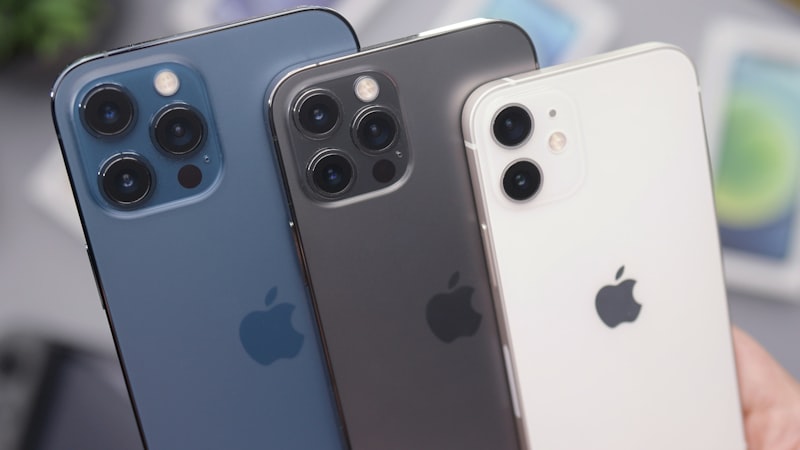
The standard on-screen keyboard, while ubiquitous on current iPhones, presents several problems on a larger, foldable display. Firstly, the increased screen real estate makes thumb-typing less ergonomic, especially when the device is unfolded. Reaching the center keys becomes a significant stretch, leading to discomfort and potential strain. Secondly, a full-width on-screen keyboard, while possible, occupies a considerable portion of the display, reducing the available space for content consumption and multitasking.
Apple has several potential avenues to explore. One possibility is a split keyboard configuration, mirroring the approach taken by some tablet manufacturers. This allows for more comfortable thumb-typing when the device is unfolded and held in landscape mode. However, the split keyboard still consumes a significant portion of the screen. Another approach is a floating, resizable keyboard that can be positioned anywhere on the display, offering greater flexibility to the user. This would allow users to prioritize content visibility and adjust the keyboard size and placement to their preference.
Beyond software-based solutions, Apple could also explore hardware-based options. A magnetic keyboard attachment, similar to the Smart Keyboard Folio for the iPad Pro, would provide a tactile typing experience while also serving as a protective cover. However, this adds bulk and cost to the device. Another, more radical, possibility is the integration of a secondary, smaller display on the back of the device that could function as a dedicated keyboard when the device is unfolded. This would require sophisticated software integration and power management but could potentially offer the best of both worlds: a large, unobstructed display and a comfortable typing experience.
Patents filed by Apple provide clues about their potential strategies. Several patents detail designs for foldable devices with integrated keyboards, both physical and virtual. One patent describes a system where the foldable display itself adapts to the user's input style, dynamically adjusting the size and placement of the keyboard based on hand position and typing patterns. Another patent explores the use of advanced haptic feedback to simulate the feel of physical keys on a virtual keyboard, as explored in our analysis of haptic technology on iPhone Open.
Supply chain reports suggest that Apple is actively working with display manufacturers to develop flexible OLED panels with improved touch sensitivity and responsiveness. This is crucial for any on-screen keyboard solution, as accurate and reliable touch input is essential for a seamless typing experience. The quality of the display, its brightness, and color accuracy are vital, as we explored in our analysis of display technology at iPhone View. A subpar display would negatively impact the user experience, particularly during extended typing sessions.
Ultimately, the optimal keyboard input solution for the foldable iPhone will likely be a combination of software and hardware innovations. Apple will need to carefully balance usability, screen real estate, and overall device design to create a typing experience that is both comfortable and efficient. The success of the foldable iPhone may well hinge on their ability to solve this complex puzzle.
The integration of AI-powered predictive text and autocorrection will also play a crucial role in enhancing the typing experience on the foldable iPhone. By learning the user's typing habits and vocabulary, the device can anticipate their input and provide accurate suggestions, reducing the need for manual corrections and improving typing speed. Apple's existing machine learning capabilities, combined with ongoing research and development, position them well to deliver a truly intelligent and adaptive keyboard experience on their upcoming foldable device.
Questions readers ask
How does foldable keyboard input stack up against what Samsung or Google already ship?
Android OEMs reached this corner of the market first, but they did so with looser tolerances on durability and software polish. Apple's bet is that arriving second with a tighter integration story wins more buyers than arriving first.
Have patents or job listings hinted at foldable keyboard input?
Yes — recent USPTO filings reference adjacent mechanisms, and Apple has been quietly posting roles in the relevant hardware and software teams. None of that guarantees a ship date, but it confirms the project is actively staffed.
Who is the realistic day-one buyer for foldable keyboard input?
Enthusiasts and developers buy the first run. Mainstream adoption tracks the second-generation revision, once the rough edges are sanded down and the price comes in roughly $100 lower at the same tier.
Does iOS need rearchitecting to make foldable keyboard input work properly?
Apple would need a window manager or surface-handling layer in iOS to do this well. The plumbing already exists on iPadOS in a limited form, so the engineering question is less invention and more refinement.
In short — what's the takeaway on more from iphone open?
It comes back to whether Apple can ship foldable keyboard input without compromising the parts of the iPhone people already pay for. The detail in this section is where that case is made or broken.