Foldable iPhone: Redefining Mobile Video Editing Workflows
Foldable iPhone: Redefining Mobile Video Editing Workflows
The impending arrival of a foldable iPhone has sparked considerable discussion about its potential impact across various industries. While gaming and enterprise applications are frequently mentioned, the implications for mobile video editing workflows are particularly noteworthy. This new form factor has the potential to fundamentally alter how professionals create and edit video content on the go.
Editor's pick: iPhone Pro Max cases & grips on Amazon → As an Amazon Associate, this site earns from qualifying purchases.
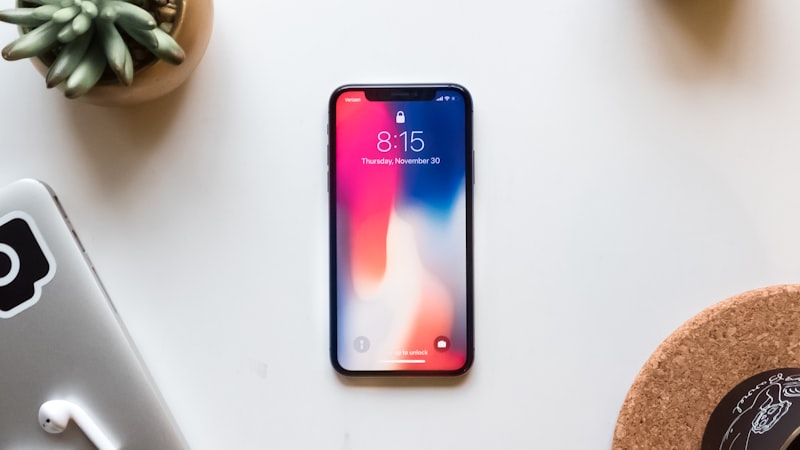
The Hardware Advantage: A Larger Canvas
The most obvious advantage of a foldable iPhone is the expanded display area. Editing video on a smartphone has traditionally been constrained by the limited screen real estate. A larger, unfolded display offers several key benefits:
- Enhanced Timeline Visibility: Editors can view more of the video timeline simultaneously, improving navigation and precision.
- Larger Preview Window: A bigger preview window allows for more accurate color grading and visual effect assessment.
- Improved Workspace Organization: Software interfaces can be redesigned to incorporate more tools and controls without feeling cramped.
The quality of the display itself is also critical. Apple's track record in display technology, as we explored in our analysis of display technology at iPhone View, suggests that the foldable iPhone will likely feature a high-resolution, color-accurate OLED panel. This is essential for professional video editing, where accurate representation of colors and details is paramount.
Software Adaptations: Maximizing the Foldable Form Factor
Hardware is only one piece of the puzzle. Software developers must optimize their video editing applications to take full advantage of the foldable form factor. This requires more than simply scaling up existing interfaces. Here are some potential software innovations:
- Dual-Screen Editing: Utilizing both halves of the folded display for different tasks. For instance, the top screen could display the video preview, while the bottom screen houses the timeline and editing tools.
- Context-Aware Interfaces: Adapting the interface based on the device's orientation and folding state. For example, unfolding the device could automatically expand the timeline and reveal advanced editing options.
- Enhanced Multitasking: Seamless integration with other apps for tasks like file management, audio editing, and collaboration.
Apple's own video editing apps, such as iMovie and Final Cut Pro for iPad, will likely be among the first to receive optimized foldable iPhone versions. Third-party developers like Adobe and Blackmagic Design will also need to adapt their mobile video editing suites to remain competitive.
Workflow Transformations: From Desktop to Mobile
The foldable iPhone has the potential to blur the lines between mobile and desktop video editing workflows. The larger display and optimized software could enable editors to perform more complex tasks on the go, reducing their reliance on traditional desktop workstations.
Consider these scenarios:
- On-Set Editing: Editors could quickly review footage and assemble rough cuts while still on location, saving valuable time and resources.
- Remote Collaboration: The foldable iPhone could facilitate real-time collaboration with other editors and clients, regardless of location.
- Content Creation on the Move: Vloggers and social media influencers could create and edit high-quality video content directly from their phones, without needing to transfer footage to a computer.
Challenges and Considerations
While the potential benefits are significant, there are also challenges to overcome. One concern is battery life. Video editing is a power-intensive task, and the larger display of a foldable device could put a strain on battery performance. Efficient power management and optimized software are crucial. Thermal management, as we've covered previously, will also be a key factor in maintaining performance during prolonged editing sessions. The industrial design of the foldable iPhone, a topic extensively discussed at iPhone Arc, will need to balance the demands of a larger display with portability and durability.
The Future of Mobile Video Editing
The foldable iPhone represents a significant step forward for mobile video editing. By combining a larger display with optimized software and powerful hardware, Apple has the opportunity to revolutionize how professionals create and edit video content on the go. While challenges remain, the potential benefits are undeniable. As the foldable iPhone ecosystem matures, we can expect to see even more innovative tools and workflows emerge, further blurring the lines between mobile and desktop video editing.