After years of rumors, patent filings, and supply chain whispers, the consensus among industry analysts is that Apple is finally closing in on a foldable iPhone. Samsung has shipped five generations of its Galaxy Z Fold and Z Flip lines. Google entered the market with the Pixel Fold in 2023 and followed up with a second generation in 2024. OnePlus, Motorola, and several Chinese manufacturers have iterated aggressively on both book-style and clamshell designs. Apple, characteristically, has watched and waited. The question is no longer whether a foldable iPhone will arrive, but what form it will take and when.
What the Supply Chain Tells Us
Multiple reports from supply chain analysts, most notably Ming-Chi Kuo and display industry trackers at DSCC, point to Apple working with Samsung Display and LG Display on foldable OLED panels. Samsung Display has reportedly been shipping sample panels to Apple since 2024, with increasing volume through 2025. Apple has also been granted dozens of patents related to flexible display technology, hinge mechanisms, and methods for reducing or eliminating the visible crease that has plagued competing devices. One notable patent describes a system of interlocking gears and a variable-tension hinge designed to distribute stress more evenly across the fold point, which would be a meaningful engineering improvement over current approaches.
Apple's supply chain activity extends beyond displays. Reports indicate the company has been working with Jabil and Foxconn on hinge assembly prototypes, and there are signs that Apple has been exploring ultra-thin glass (UTG) cover layers similar to what Samsung uses on its latest foldables, but with proprietary coatings aimed at improving scratch resistance. The depth of this supply chain engagement suggests the project is well past the exploratory phase.
Form Factor: Book-Style Appears Likely
The biggest question around any foldable phone is the basic form factor. The market has split into two camps: book-style devices like the Galaxy Z Fold and Pixel Fold, which unfold from a standard phone size into a small tablet, and clamshell or flip designs like the Galaxy Z Flip, which fold a standard-sized screen in half for pocketability.
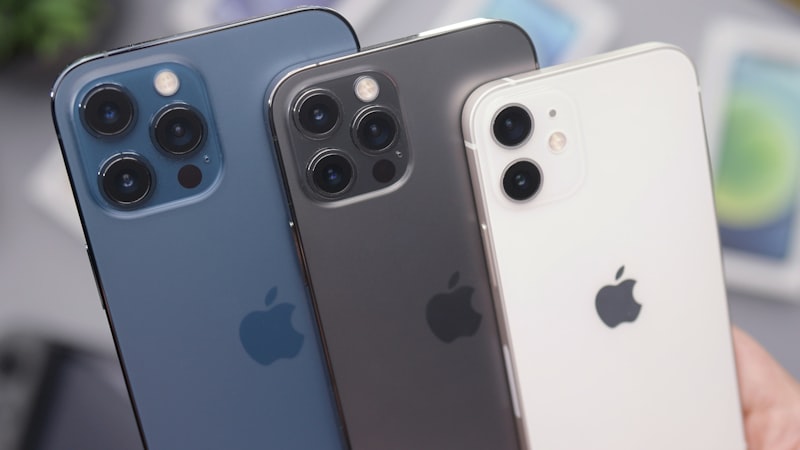
Foldable form factors are reshaping how we think about smartphones
The weight of the evidence suggests Apple is pursuing a book-style design first. Analyst reports from Kuo and Jeff Pu at Haitong International have consistently described a device with an interior display in the range of 7.5 to 8 inches and a cover display of approximately 6.2 inches. This is broadly comparable to the Galaxy Z Fold form factor, though Apple would almost certainly aim for a thinner profile when closed. Some reports have suggested that Apple is also developing a clamshell model, but the book-style device appears to be further along in development.
Display Technology and the Crease Problem
The crease -- that visible line running down the center of every foldable display on the market -- remains the single most common complaint from foldable phone users. Samsung has reduced its crease significantly with each generation, and the latest Z Fold hardware has a crease that is barely visible under most lighting conditions. But it is still there, and it can still be felt under your fingertip when you swipe across the center of the screen.
Apple appears to be treating crease reduction as a primary engineering objective rather than a secondary one. Beyond the hinge patents mentioned above, Apple has filed for display layer compositions that use thinner polyimide substrates and novel adhesive arrangements designed to maintain a tighter bend radius without creating a permanent deformation in the panel. Whether Apple can launch with a genuinely crease-free display remains to be seen, but it is clear the company views this as a critical differentiator. A foldable iPhone that unfolds to a visually seamless display surface would be a significant statement in a market where competitors have accepted the crease as an unavoidable trade-off.
Durability is the other half of the display equation. Foldable screens must withstand hundreds of thousands of open-and-close cycles without degrading. Samsung rates its current panels for 200,000 folds, which works out to roughly five years of heavy use. Apple will need to meet or exceed that figure, and given the company's track record of marketing device longevity, it would not be surprising to see Apple target a higher number or offer specific warranty coverage for the fold mechanism.
Timeline and Pricing
The most credible timeline estimates place the first foldable iPhone in late 2026 or early 2027. Some analysts have suggested Apple could announce the device alongside the iPhone 18 lineup in September 2026, potentially as a separate product line. Others believe a spring 2027 launch is more realistic, given the complexity of ramping production on an entirely new hardware category.
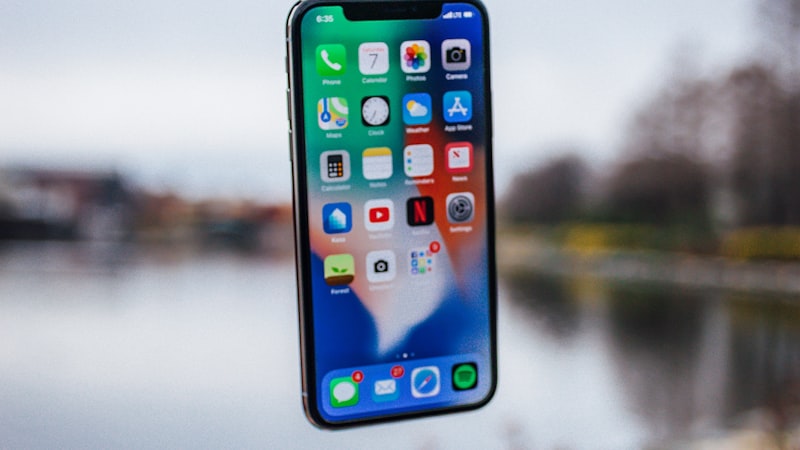
The next generation of iPhone hardware pushes the boundaries of mobile design
Pricing will almost certainly place the foldable iPhone at the top of Apple's lineup. Samsung's Galaxy Z Fold currently starts at $1,799, and Google's Pixel Fold launched at $1,799 as well. Apple typically prices at a premium to its direct competitors, so a starting price of $1,899 to $1,999 is a reasonable expectation. There may be a higher-capacity or "Ultra" variant that pushes past the $2,000 mark. This would position the foldable iPhone as a distinct tier above the iPhone Pro Max rather than a replacement for it.
What It Means for the iPhone Ecosystem
Foldable form factors are reshaping how we think about smartphones
A foldable iPhone would not simply be a new phone. It would force meaningful changes across Apple's software and accessory ecosystem. iPadOS and iOS would need to handle the transition between cover-display and inner-display modes seamlessly, likely with new multitasking paradigms for the larger unfolded screen. App developers would need to support a new set of screen sizes and aspect ratios. MagSafe accessories would need to accommodate a device that changes shape. Case manufacturers would face entirely new design constraints.
More broadly, a foldable iPhone would represent Apple's answer to a question the industry has been asking for half a decade: can a folding phone be more than a novelty? Samsung proved that the category is viable. Google proved that Android's flexible layout system can handle it. Apple's entry would signal that foldable phones have graduated from experimental hardware to a mainstream product category. Given Apple's influence over consumer electronics trends, that endorsement alone could accelerate the entire foldable market.
We will be covering every development as it unfolds. iPhone Open was built for exactly this moment in iPhone hardware history.