Foldable iPhone's Impact on iOS App Development: A Paradigm Shift
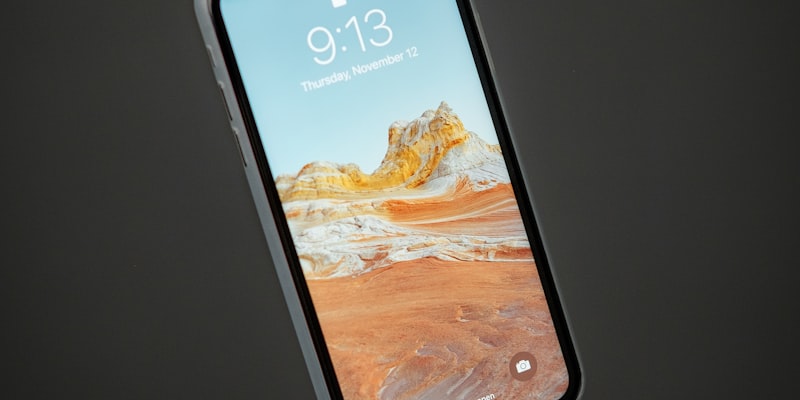
Photo: Unsplash
Editor's pick: iPhone Pro Max cases & grips on Amazon → As an Amazon Associate, this site earns from qualifying purchases.
The Foldable iPhone and the Evolution of iOS App Development
The arrival of the foldable iPhone has undeniably triggered a significant shift in the landscape of iOS app development. No longer can developers rely solely on the established design principles and coding practices optimized for traditional, rigid displays. The foldable form factor introduces a new set of challenges and opportunities that demand a fresh perspective on user experience and application architecture.
One of the most immediate impacts is the need for responsive design that seamlessly adapts to multiple screen sizes and aspect ratios. An application must function flawlessly whether the device is folded, offering a smaller, more compact view, or unfolded, presenting a larger, tablet-like canvas. This necessitates a more sophisticated approach to UI design, moving beyond simple scaling and embracing dynamic layouts that rearrange and resize content based on the available screen real estate.
Auto Layout and Size Classes: The Foundation for Adaptability
Apple's existing Auto Layout and Size Classes frameworks have become even more critical in this new era. Developers are leveraging these tools to create constraints and rules that govern how UI elements behave across different screen sizes. However, the foldable iPhone introduces an additional layer of complexity. Apps must not only adapt to different screen dimensions but also to the transitions between these dimensions as the device is folded and unfolded.
According to recent developer surveys, a significant portion of iOS developers are dedicating more time to testing their apps on foldable iPhone simulators and physical devices to ensure a smooth and consistent user experience. This increased testing burden underscores the importance of robust and automated testing frameworks that can effectively identify and address layout issues.
Multi-Window Support and Enhanced Multitasking
The larger screen real estate afforded by the unfolded foldable iPhone opens up possibilities for enhanced multitasking and multi-window support. Users expect to be able to run multiple apps simultaneously, side-by-side, or in a picture-in-picture mode. This requires developers to optimize their apps for concurrent operation and to handle resources efficiently to prevent performance degradation. Apple's introduction of new multitasking APIs in recent iOS releases has been instrumental in facilitating this transition.
Furthermore, the foldable iPhone's unique form factor encourages new interaction paradigms. For example, developers are exploring the use of the hinge as a virtual control surface or as a means of triggering specific actions within an app. Patents filed by Apple suggest that they are actively researching ways to leverage the physical properties of the foldable device to enhance the user experience.
The Rise of Specialized Foldable iPhone Apps
Beyond simply adapting existing apps, we are also witnessing the emergence of entirely new categories of apps designed specifically for the foldable iPhone. These apps often leverage the device's unique capabilities to provide novel and immersive experiences. Examples include:
- Apps that utilize the unfolded screen as a digital whiteboard or canvas for collaborative design and brainstorming.
- Gaming apps that take advantage of the larger display for more immersive gameplay.
- Productivity apps that offer enhanced multi-window support and advanced document editing features.
The foldable iPhone has spurred innovation and creativity within the iOS app development community, pushing developers to think outside the box and to create truly transformative experiences. While the challenges are undeniable, the opportunities are even greater. As the foldable market continues to mature, we can expect to see even more exciting and innovative apps that take full advantage of this groundbreaking technology.
The adaptation to foldable devices is not merely a technical hurdle; it represents a fundamental shift in how we design and interact with mobile applications. Developers who embrace this change and invest in mastering the new tools and techniques will be well-positioned to succeed in the evolving landscape of iOS app development.