Foldable iPhone Battery Life: Engineering Challenges and Potential Solutions
Photo: Unsplash
Editor's pick: iPhone Pro Max cases & grips on Amazon → As an Amazon Associate, this site earns from qualifying purchases.
Foldable iPhone Battery Life: A Looming Concern
The anticipation surrounding Apple's foray into the foldable smartphone market is palpable. However, beyond the hinge design and display technology, a critical factor will determine the foldable iPhone's success: battery life. Powering a larger, often brighter, and more versatile display within a foldable form factor presents significant engineering hurdles that demand innovative solutions.
Current foldable devices from competitors like Samsung and Huawei have demonstrated the inherent challenges. While battery capacities have increased, the power drain associated with the flexible displays and multitasking capabilities often results in battery life that is comparable to, or even slightly shorter than, their non-foldable counterparts. This is a crucial point of concern for Apple, a company renowned for optimizing power efficiency and delivering all-day battery performance.
The Power Demands of a Foldable Display
The primary culprit behind the increased power consumption is the display itself. Larger displays inherently require more power to illuminate. Foldable displays, due to their construction and the need for greater flexibility, may also suffer from reduced light transmission efficiency compared to rigid OLED panels. This means the display needs to draw more power to achieve the same level of brightness.
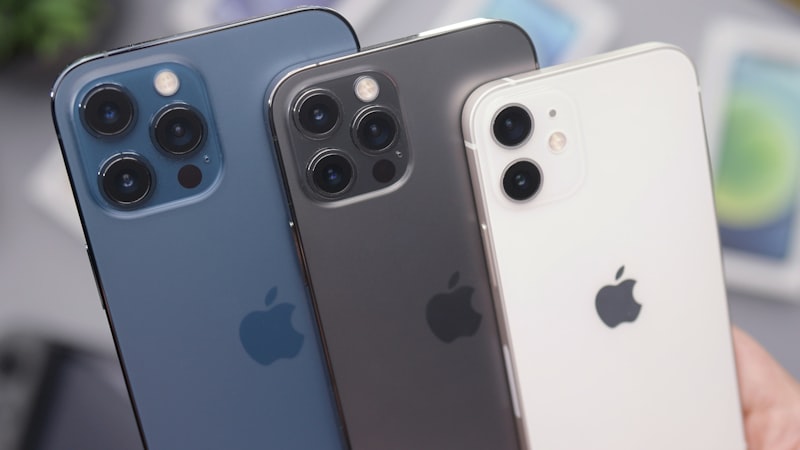
Foldable form factors are reshaping how we think about smartphones
Furthermore, the anticipated multi-window functionality of the foldable iPhone, allowing users to run multiple apps simultaneously on the expanded screen, will further strain the battery. The constant refreshing and processing of multiple applications demand significantly more power than running a single app on a standard smartphone.
Potential Battery Solutions: Dual Batteries and Beyond
Apple will need to explore a multifaceted approach to address these power challenges. A primary strategy is likely to involve a dual-battery system. This would entail distributing the battery capacity across both halves of the foldable device, connected in series or parallel to provide a combined larger capacity. This approach has been adopted by several existing foldable smartphones, and Apple has explored similar configurations in past patents. These patents also suggest innovative placement strategies for the batteries, maximizing internal space utilization within the constrained form factor.
Beyond increasing battery capacity, Apple will undoubtedly focus on optimizing power efficiency at the software and hardware levels. This could involve:
- Display Technology Enhancements: Refining the OLED panel technology to improve light transmission efficiency and reduce power consumption at various brightness levels. This could include advancements in display driver integrated circuits (DDICs) that optimize power usage.
- Adaptive Refresh Rate Technology: Implementing a more sophisticated adaptive refresh rate system that dynamically adjusts the display's refresh rate based on the content being displayed, reducing power consumption during static or low-motion content. We expect this to be even more granular than ProMotion, perhaps down to 1Hz for static UI elements.
- Optimized Software: Fine-tuning iOS to minimize background processes and optimize power consumption for multi-window multitasking. This could involve intelligent task management and resource allocation to prioritize the most active applications.
- System-on-Chip (SoC) Efficiency: Leveraging Apple's expertise in chip design to create a highly efficient A-series SoC that minimizes power consumption while delivering the necessary performance for demanding foldable iPhone applications.
The Importance of Thermal Management
Increased power consumption also leads to increased heat generation. Efficient thermal management will be crucial to prevent overheating and maintain optimal performance. Apple may need to incorporate advanced cooling solutions, such as vapor chambers or graphite sheets, to dissipate heat effectively and prevent throttling, which could negatively impact performance and battery life.
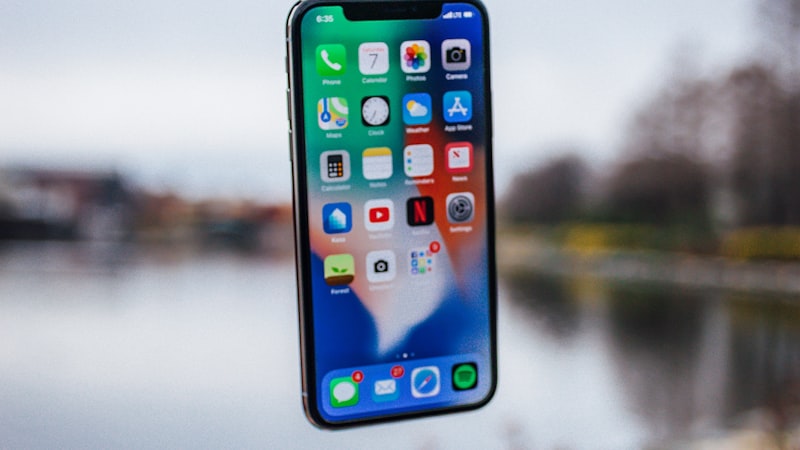
The next generation of iPhone hardware pushes the boundaries of mobile design
The Road Ahead
Foldable form factors are reshaping how we think about smartphones
The battery life of the foldable iPhone will be a critical factor in its success. While the engineering challenges are significant, Apple's track record of innovation and optimization suggests they are well-equipped to address them. By employing a combination of increased battery capacity, advanced display technology, optimized software, and efficient thermal management, Apple can deliver a foldable iPhone that not only impresses with its design and functionality but also provides a compelling and reliable battery experience. The market will be watching closely to see how Apple tackles this critical challenge in the coming years.