Foldable iPhone Audio: Spatial Audio and the Challenges of a Dynamic Form Factor
Foldable iPhone Audio: Spatial Audio and the Challenges of a Dynamic Form Factor
The introduction of a foldable iPhone presents a unique set of challenges and opportunities for audio engineering. Beyond the obvious considerations of battery life and display technology, the acoustic design must adapt to a device that can exist in multiple configurations – fully open, partially folded, and closed.
Editor's pick: iPhone Pro Max cases & grips on Amazon → As an Amazon Associate, this site earns from qualifying purchases.
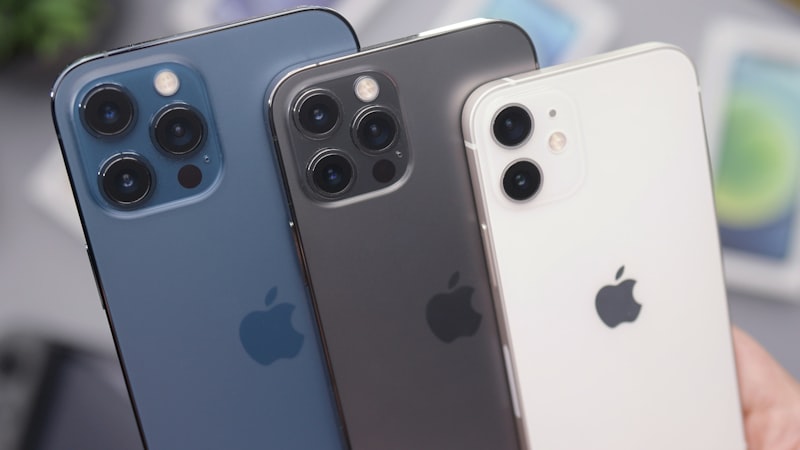
Apple has been a leader in spatial audio, integrating it across its product line, from AirPods to the latest iPhones and iPads. The foldable iPhone presents a new frontier for this technology. The ability to adjust the soundstage based on the device's orientation and folding angle could provide an immersive and tailored audio experience. However, achieving this requires significant innovation in speaker placement, microphone arrays, and software algorithms.
Speaker Placement and Acoustic Engineering
Traditional iPhone designs feature speakers at the bottom edge. This approach is unlikely to be optimal for a foldable device. When folded, these speakers would be partially or completely obstructed. Therefore, alternative speaker locations must be considered.
One potential solution involves integrating speakers along the top and bottom edges of both display panels. This would ensure that at least two speakers are always unobstructed, regardless of the device's configuration. Furthermore, strategically positioned speakers along the hinge could contribute to a more consistent audio output. However, this approach introduces complexities in acoustic isolation. Preventing sound leakage between the two panels, especially when folded, becomes paramount to maintain clarity and prevent distortion.
Another potential design involves using miniature, high-excursion drivers. These speakers, similar to those found in high-end laptops, can deliver impressive sound from a compact footprint. Placement within the hinge structure, or perhaps integrated into the display bezels, could be viable options. The challenge here lies in managing heat dissipation and ensuring structural integrity. The hinge mechanism is already a complex and delicate component, and adding audio components further complicates the design.
Spatial Audio Adaptation
The foldable iPhone's software will need to intelligently adapt spatial audio processing based on the device's form factor. When unfolded, the audio system could leverage the wider soundstage to create a more expansive and immersive experience. In contrast, when partially folded, the system could focus the audio towards the user, providing a more private and focused listening experience. Apple's existing spatial audio algorithms, which utilize head tracking and dynamic sound field adjustments, will need to be significantly enhanced to accommodate the foldable's dynamic configurations.
Furthermore, the microphone array plays a crucial role in spatial audio capture and noise cancellation. The foldable iPhone will likely require a more sophisticated microphone system than current models. Multiple microphones strategically positioned around the device would allow for accurate spatial audio recording and effective noise reduction in various orientations. This enhanced microphone system would also be essential for clear and reliable voice communication, regardless of how the device is being held.
Challenges and Considerations
One of the most significant challenges is power consumption. Spatial audio processing and multiple speaker arrays can significantly impact battery life. As we explored the challenges in our previous analysis of foldable iPhone battery technology, optimizing power consumption is crucial for user experience. The audio system needs to be designed to be energy-efficient without compromising sound quality.
Another consideration is the impact on the device's overall thickness and weight. Integrating additional speakers and microphones inevitably adds to the device's physical dimensions. Apple engineers will need to strike a delicate balance between audio performance and device ergonomics. As we've seen in previous iPhone display technology analyses, Apple has consistently prioritized thinness and weight reduction in its designs. This principle will likely extend to the foldable iPhone, requiring innovative solutions to minimize the impact of audio components on the device's form factor.
The foldable iPhone presents a compelling opportunity to reimagine mobile audio. By overcoming the technical challenges and leveraging its expertise in spatial audio, Apple could deliver a truly immersive and personalized audio experience that adapts seamlessly to the device's dynamic form factor.