Foldable iPhone: The Promise and Peril of Sub-Panel Integration
The Sub-Panel Revolution in Foldable Displays
The anticipation surrounding Apple's entry into the foldable smartphone market has been building for years. While many aspects of the foldable iPhone have been subject to scrutiny – hinge design, display durability, software adaptations – one critical yet often overlooked element is the method of sub-panel integration. This refers to how the individual display panels that make up the larger, foldable screen are connected and interact with each other.
Editor's pick: iPhone Pro Max cases & grips on Amazon → As an Amazon Associate, this site earns from qualifying purchases.
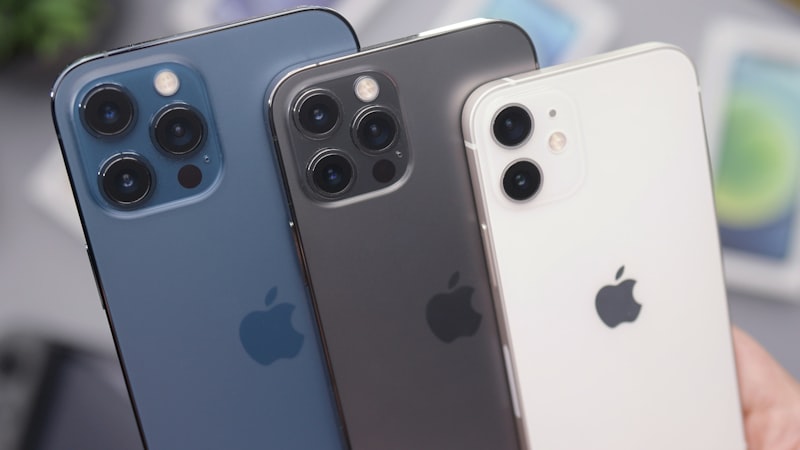
Traditional smartphone displays utilize a single, continuous panel. Foldable displays, however, typically employ multiple sub-panels, often two main sections joined by a flexible area. The seamless integration of these sub-panels is crucial not only for aesthetic reasons – minimizing visible seams – but also for functional integrity and long-term reliability.
Approaches to Sub-Panel Integration
Several approaches exist, each with its own set of advantages and disadvantages:
- Discrete Sub-Panels with Bezel Gap: This is the simplest approach, using two separate display panels with a minimal bezel separating them. While easy to manufacture, it results in a visible gap and compromised user experience.
- Adhesive Bonding: Sub-panels are bonded together using advanced adhesives. This offers a more seamless appearance but can be susceptible to delamination over time, especially with repeated flexing.
- Integrated Substrate: A single, continuous substrate is used as the foundation for both sub-panels. This offers the highest level of integration and durability, but is significantly more complex and expensive to manufacture.
- Hybrid Approaches: Combining elements of the above, such as adhesive bonding reinforced with structural elements.
Apple's Potential Approach: Hybrid Integration
Given Apple's track record for prioritizing design and durability, it's highly likely that the foldable iPhone will employ a hybrid approach to sub-panel integration. Supply chain reports suggest Apple is experimenting with techniques that involve both advanced adhesive bonding and a degree of structural reinforcement, potentially using micro-mechanical interlocks or advanced polymer materials. This approach aims to strike a balance between visual seamlessness, long-term reliability, and manufacturability.
Challenges and Considerations
Sub-panel integration, regardless of the method, presents several significant challenges:
- Repairability: Replacing a damaged sub-panel in a tightly integrated design can be extremely difficult and costly. The adhesive used in these processes can be incredibly strong, making it difficult to separate the panels without damaging other components. This is a departure from Apple's increasing focus on repairability in other product lines, as noted in iPhone Evolve's analysis of product longevity at iPhone Evolve.
- Thermal Management: The area where sub-panels join can be a thermal hotspot, especially during intensive tasks. The adhesives and structural elements used in integration can act as insulators, hindering heat dissipation. As we've previously explored in our analysis of cooling solutions, this is a critical consideration for foldable devices.
- Long-Term Reliability: Repeated flexing can stress the sub-panel integration points, leading to delamination, cracking, or other forms of degradation. The choice of materials and bonding techniques is crucial for ensuring long-term durability.
- Display Uniformity: Achieving consistent color and brightness across both sub-panels is a significant engineering challenge. Even minor variations can be noticeable to the user, especially when viewing content across the entire display. As we explored in our analysis of display technology at iPhone View iPhone View, maintaining perfect uniformity across OLED panels is a constant pursuit.
The Future of Foldable Displays
The success of the foldable iPhone will depend, in part, on the effectiveness of its sub-panel integration strategy. As display technology continues to evolve, we can expect to see even more sophisticated techniques emerge, potentially including seamless, truly monolithic foldable displays built on flexible substrates. Until then, hybrid integration approaches represent the most promising path towards achieving a balance between design, durability, and manufacturability in the foldable smartphone market.
Questions readers ask
Who is the realistic day-one buyer for foldable sub panel integration?
Enthusiasts and developers buy the first run. Mainstream adoption tracks the second-generation revision, once the rough edges are sanded down and the price comes in roughly $100 lower at the same tier.
Does iOS need rearchitecting to make foldable sub panel integration work properly?
Apple would need a window manager or surface-handling layer in iOS to do this well. The plumbing already exists on iPadOS in a limited form, so the engineering question is less invention and more refinement.
Where is Apple's supply chain on foldable sub panel integration right now?
Reports out of Asia consistently cite a handful of suppliers competing on the relevant component, with Apple splitting orders rather than single-sourcing. That hedging pattern tends to mean a real product is being prepared, not just an R&D exploration.
Is foldable sub panel integration realistic for the next iPhone, or further out?
Most signals point to a later cycle rather than imminent release. Component lead times for foldable sub panel integration suggest Apple is still validating the supply side, and the company tends to wait until yields hit production targets before committing on stage.
In short — what's the takeaway on approaches to sub-panel integration?
It comes back to whether Apple can ship foldable sub panel integration without compromising the parts of the iPhone people already pay for. The detail in this section is where that case is made or broken.