Foldable iPhone: Navigating the Challenges of Cover Display Integration
The Cover Display: More Than Just a Glance
The advent of foldable smartphones has introduced a new component to the mobile experience: the cover display. No longer relegated to simple notifications, these external screens are becoming increasingly sophisticated, requiring careful consideration during the design and engineering phases of devices like the anticipated foldable iPhone. While the internal, folding display understandably receives significant attention, the cover display presents its own unique set of challenges and opportunities.
Editor's pick: iPhone Pro Max cases & grips on Amazon → As an Amazon Associate, this site earns from qualifying purchases.
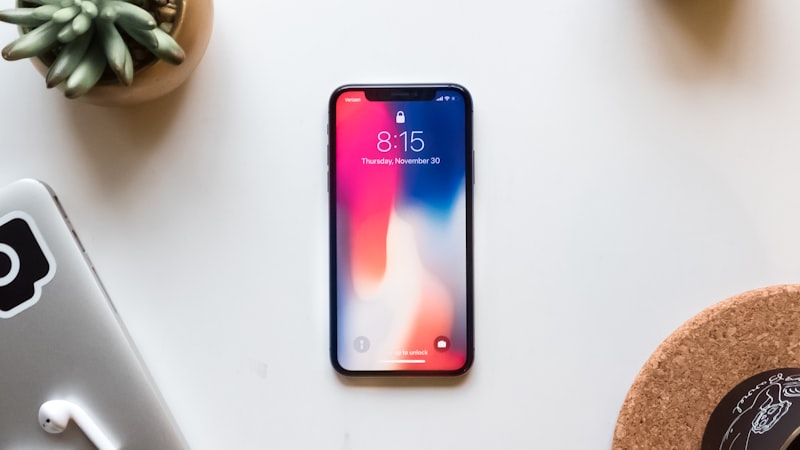
Apple's historical approach to external displays on devices like the Apple Watch provides some insight into their potential strategy. However, the foldable iPhone's cover display demands a more substantial commitment to functionality and usability. Users will expect to perform a wide range of tasks without unfolding the device, requiring a responsive, feature-rich experience.
Technology Choices and Trade-offs
Several display technologies are vying for dominance in the foldable cover display market. OLED remains the frontrunner, offering excellent contrast, vibrant colors, and the ability to individually control pixels for enhanced power efficiency. Mini-LED, while providing increased brightness and potentially improved longevity, introduces complexity in terms of backlighting and overall thickness – crucial considerations for a foldable form factor. MicroLED, the long-term aspirational technology, promises the best of both worlds, but manufacturing challenges and high costs currently limit its widespread adoption.
Beyond the underlying display technology, the cover glass itself presents a significant hurdle. Corning, a long-time Apple partner, is reportedly working on specialized glass solutions for foldable devices, but achieving both scratch resistance and flexibility remains a delicate balancing act. The cover glass must withstand daily wear and tear while also being thin and flexible enough to avoid interfering with the overall folding mechanism. As we explored in our analysis of display technology at iPhone View, Apple has consistently prioritized durability and visual fidelity in its display choices, suggesting a similar approach for the foldable iPhone's cover display.
Size, Aspect Ratio, and Functionality
The size and aspect ratio of the cover display are critical factors influencing user experience. A smaller display may compromise usability for certain tasks, while a larger display could increase the overall size and weight of the device. Finding the optimal balance between portability and functionality is paramount.
Considerations also extend to the software integration. The cover display should seamlessly integrate with iOS, providing access to essential apps, notifications, and widgets. A dedicated user interface optimized for the smaller screen size will be crucial for ensuring a smooth and intuitive experience. Apple's expertise in software optimization, honed over years of iOS development, will be instrumental in maximizing the potential of the cover display.
The Importance of Palm Rejection and Input Methods
Accidental touches on the cover display can be frustrating for users. Robust palm rejection technology is therefore essential for preventing unintended actions. Apple's experience with palm rejection on the iPad Pro, particularly when using the Apple Pencil, provides a valuable foundation for developing a similar system for the foldable iPhone's cover display.
The choice of input methods also plays a crucial role. While touch input will undoubtedly be the primary method, voice control through Siri and potentially even stylus support could further enhance the user experience. The ability to quickly jot down notes, sketch ideas, or navigate the interface using a stylus could appeal to a specific segment of users, potentially justifying its inclusion.
Looking Ahead
The successful integration of the cover display is paramount to the overall success of the foldable iPhone. Apple must carefully consider the technology choices, size, aspect ratio, software integration, and input methods to create a seamless and intuitive user experience. The company's reputation for innovation and attention to detail suggests that they are well-equipped to overcome these challenges and deliver a cover display that truly enhances the foldable iPhone experience. As we discussed in our breakdown of industrial design evolution at iPhone Arc, Apple often iterates through prototypes to discover ideal form factors, indicating that the cover display is subject to extensive testing and refinement.
The coming months will undoubtedly bring further insights into Apple's plans for the foldable iPhone's cover display. As the launch date approaches, we can expect to see more concrete details emerge from supply chain reports and patent filings, providing a clearer picture of what to expect from this highly anticipated device.