Navigating the Foldable iPhone's Expanded Storage Needs
Foldable iPhone Storage: A New Landscape
The advent of the foldable iPhone has brought with it a significant shift in how we interact with our devices. One of the most notable implications is the increased demand for storage. With a larger, more immersive display and the potential for enhanced multitasking and content creation, users are finding themselves needing more space than ever before.
Editor's pick: iPhone Pro Max cases & grips on Amazon → As an Amazon Associate, this site earns from qualifying purchases.
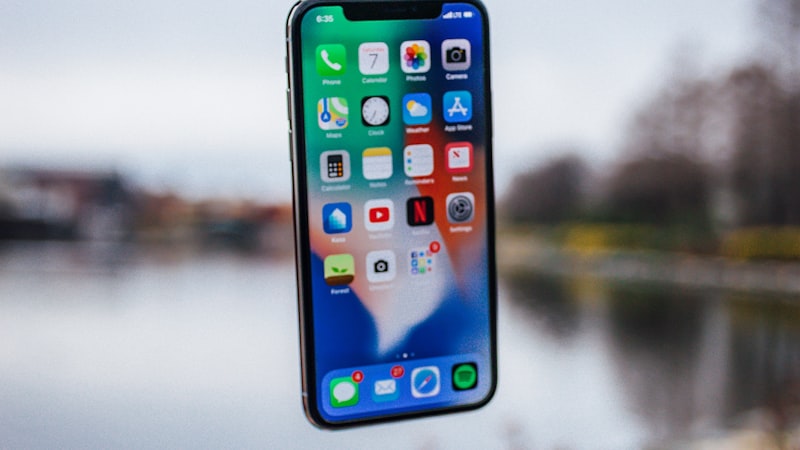
This article will explore the various methods for managing storage on a foldable iPhone, from leveraging iCloud services to utilizing external drives and optimizing on-device storage.
iCloud Integration: The First Line of Defense
Apple's iCloud service remains a cornerstone of storage management for iPhone users. With the foldable iPhone, the importance of iCloud is amplified. Photos, videos, documents, and app data can be seamlessly synced and stored in the cloud, freeing up valuable space on the device itself.
However, relying solely on iCloud has its limitations. Free storage is capped at 5GB, and upgrading to larger tiers incurs a monthly fee. Furthermore, accessing data requires a stable internet connection, which may not always be available. Users should carefully consider their storage needs and budget when choosing an iCloud plan.
Optimizing On-Device Storage: Smart Strategies
Even with iCloud, optimizing on-device storage is crucial. Several strategies can help users maximize the available space:
- Offload Unused Apps: iOS offers the option to automatically offload apps that haven't been used in a while. This removes the app binaries but retains the data, allowing users to quickly reinstall the app when needed.
- Optimize Photo Storage: Enabling iCloud Photos and choosing the "Optimize iPhone Storage" option ensures that full-resolution photos and videos are stored in iCloud, while smaller, device-optimized versions are kept on the iPhone.
- Clear Browser Cache and Data: Over time, browser cache and website data can accumulate and consume significant storage space. Regularly clearing this data can help free up valuable memory.
- Delete Unnecessary Files and Apps: A periodic review of installed apps and stored files is essential. Removing apps that are no longer used and deleting unnecessary files can significantly reduce storage consumption.
External Storage Solutions: Expanding Horizons
For users who require even more storage, external drives offer a viable solution. The foldable iPhone, with its USB-C port, can connect to a wide range of external storage devices, including flash drives, SSDs, and portable hard drives. This allows users to easily transfer large files, such as videos and photos, to an external drive, freeing up space on the iPhone.
However, using external drives requires a bit more management. Users need to manually transfer files and ensure that the external drive is properly formatted for iOS compatibility (usually exFAT or APFS). Furthermore, accessing data on an external drive requires a physical connection, which may not always be convenient.
App-Specific Storage Management: Diving Deeper
Many apps, especially those used for content creation or media consumption, offer their own storage management features. For example, video editing apps often allow users to clear render files or project backups, while music streaming apps offer the option to download songs for offline playback. Understanding and utilizing these app-specific features can further optimize storage usage.
The Future of Foldable iPhone Storage
As foldable iPhones continue to evolve, we can expect to see further advancements in storage management. Future iterations may incorporate technologies like faster internal storage, more efficient compression algorithms, or even enhanced integration with cloud services. For now, understanding and implementing the strategies outlined in this article will help users navigate the storage challenges presented by this exciting new form factor.
As explored in our analysis of display technology at iPhone View, the larger screen real estate of the foldable iPhone makes high-resolution content and multitasking more appealing, further driving the need for effective storage solutions.
Questions readers ask
Does iOS need rearchitecting to make foldable storage management work properly?
Apple would need a window manager or surface-handling layer in iOS to do this well. The plumbing already exists on iPadOS in a limited form, so the engineering question is less invention and more refinement.
Where is Apple's supply chain on foldable storage management right now?
Reports out of Asia consistently cite a handful of suppliers competing on the relevant component, with Apple splitting orders rather than single-sourcing. That hedging pattern tends to mean a real product is being prepared, not just an R&D exploration.
Is foldable storage management realistic for the next iPhone, or further out?
Most signals point to a later cycle rather than imminent release. Component lead times for foldable storage management suggest Apple is still validating the supply side, and the company tends to wait until yields hit production targets before committing on stage.
What's the biggest tradeoff Apple has to swallow for foldable storage management?
Every Apple decision is a tradeoff, and the obvious one here is internal volume. Adding foldable storage management costs millimetres somewhere — usually battery capacity or camera module depth — and Apple has to decide which line item to trim.
In short — what's the takeaway on the future of foldable iphone storage?
It comes back to whether Apple can ship foldable storage management without compromising the parts of the iPhone people already pay for. The detail in this section is where that case is made or broken.