Foldable iPhone: Navigating the Thermal Tightrope with Advanced Materials
Foldable iPhone: Navigating the Thermal Tightrope with Advanced Materials
The advent of the foldable iPhone introduces a new set of engineering hurdles, one of the most pressing being thermal management. Squeezing high-performance components into a compact, folding chassis demands innovative solutions to prevent overheating and ensure long-term reliability. Unlike traditional smartphones, the foldable iPhone presents a concentrated heat source within a significantly smaller surface area, further complicated by the proximity of internal components after folding.
Editor's pick: iPhone Pro Max cases & grips on Amazon → As an Amazon Associate, this site earns from qualifying purchases.
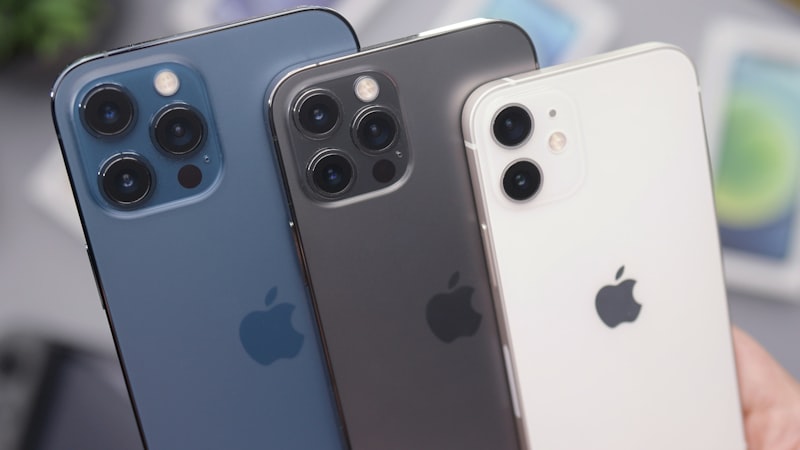
One area garnering significant attention is the application of advanced thermal interface materials (TIMs). These materials, strategically placed between heat-generating components like the A-series SoC and the internal frame, facilitate efficient heat transfer. Traditional thermal pastes are proving inadequate for the foldable iPhone's demands. Instead, Apple is reportedly exploring advanced materials like graphene-enhanced TIMs and vapor chamber technology.
Graphene, a single layer of carbon atoms arranged in a honeycomb lattice, boasts exceptional thermal conductivity, significantly surpassing that of conventional materials. Integrating graphene into TIMs can dramatically improve heat dissipation, allowing for sustained peak performance even under demanding workloads. Several patents filed by Apple in recent years point towards the exploration of graphene-based solutions for thermal management in mobile devices.
Vapor chambers, another promising technology, utilize a sealed vacuum containing a working fluid. As heat is applied, the fluid vaporizes, absorbing thermal energy. This vapor travels to a cooler area where it condenses, releasing the heat. The condensed fluid then returns to the hot area, creating a continuous cooling cycle. Vapor chambers are highly effective at spreading heat evenly across a surface, preventing hot spots and improving overall thermal performance. We're seeing increasingly sophisticated vapor chamber designs appearing in high-end Android foldables, and indications are that Apple is pushing for even greater miniaturization and efficiency.
Beyond TIMs, the structural materials themselves play a critical role in thermal management. The choice of alloys and composites used in the internal frame and enclosure can significantly impact heat dissipation. Aluminum alloys, known for their high thermal conductivity and lightweight properties, are expected to remain a key material. However, Apple is also reportedly experimenting with advanced composites incorporating carbon fiber and other thermally conductive materials to further enhance heat spreading. As we explored in our analysis of design evolution at iPhone Arc (https://iphonearc.com), Apple has a track record of pioneering material science in its devices, and the foldable iPhone is expected to continue this trend.
The display technology also contributes to the thermal load. OLED panels, while offering superior visual quality, generate heat during operation. The foldable iPhone's larger display area necessitates more efficient OLED technology to minimize heat generation. Improvements in OLED materials and manufacturing processes are crucial for reducing power consumption and thermal output. This ties in directly with display advancements discussed at iPhone View (https://iphoneview.com), where we often analyze the power efficiency and thermal characteristics of various display technologies.
Furthermore, software optimization plays a crucial role in mitigating thermal issues. By intelligently managing processor frequencies and power consumption, the iOS operating system can help prevent overheating during demanding tasks. Adaptive thermal management algorithms, which dynamically adjust performance based on temperature readings, are essential for maintaining a comfortable user experience and preventing permanent damage to the device.
The successful integration of these advanced thermal management solutions is critical for the foldable iPhone's success. Overheating not only degrades performance but can also impact battery life and long-term reliability. By carefully selecting and implementing advanced materials and technologies, Apple aims to ensure that the foldable iPhone delivers a premium user experience without compromising performance or longevity.
Questions readers ask
Will foldable thermal management replace the current model or sit alongside it?
The likeliest path is co-existence — a new variant alongside the existing lineup, not a replacement. Apple's segmentation playbook keeps the older model around at a lower price for at least one cycle to absorb the gap.
How does foldable thermal management stack up against what Samsung or Google already ship?
Android OEMs reached this corner of the market first, but they did so with looser tolerances on durability and software polish. Apple's bet is that arriving second with a tighter integration story wins more buyers than arriving first.
Have patents or job listings hinted at foldable thermal management?
Yes — recent USPTO filings reference adjacent mechanisms, and Apple has been quietly posting roles in the relevant hardware and software teams. None of that guarantees a ship date, but it confirms the project is actively staffed.
Who is the realistic day-one buyer for foldable thermal management?
Enthusiasts and developers buy the first run. Mainstream adoption tracks the second-generation revision, once the rough edges are sanded down and the price comes in roughly $100 lower at the same tier.
In short — what's the takeaway on more from iphone open?
It comes back to whether Apple can ship foldable thermal management without compromising the parts of the iPhone people already pay for. The detail in this section is where that case is made or broken.