Foldable iPhone: Addressing the Longevity Concerns of Flexible OLED Panels
Foldable iPhone: Addressing the Longevity Concerns of Flexible OLED Panels
The impending arrival of a foldable iPhone presents a host of engineering challenges, many of which we've previously explored on iPhone Open. Beyond hinge durability and software optimization, a critical factor determining the success of Apple's foray into foldable devices is the longevity of the flexible OLED panel itself. Unlike traditional smartphone displays, the foldable screen undergoes repeated bending and flexing, potentially accelerating degradation and impacting the user experience over time.
Editor's pick: iPhone Pro Max cases & grips on Amazon → As an Amazon Associate, this site earns from qualifying purchases.
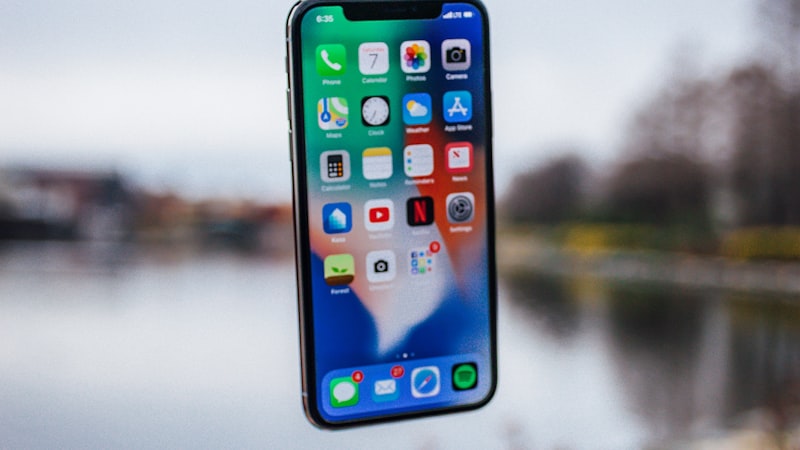
The primary concern revolves around the organic light-emitting diodes (OLEDs) and their susceptibility to environmental factors and mechanical stress. OLEDs are known to degrade over time, leading to reduced brightness, color shift, and ultimately, burn-in. The bending action inherent in a foldable device exacerbates these issues. Repeated flexing can cause micro-cracks in the thin-film encapsulation layers protecting the OLEDs, allowing moisture and oxygen to seep in and accelerate degradation. Furthermore, the bending process can induce stress on the organic materials themselves, leading to changes in their electrical and optical properties.
Mitigation Strategies: Material Science and Manufacturing Innovations
Apple is likely employing several strategies to mitigate these longevity concerns. One crucial aspect is the careful selection and optimization of materials. The use of advanced encapsulation technologies, such as thin-film barriers made from inorganic materials like silicon nitride or aluminum oxide, is critical to preventing moisture and oxygen ingress. These barriers must be exceptionally thin and flexible to withstand repeated bending without cracking. Apple has a history of pushing display technology forward, as we explored in our analysis of display technology at iPhone View.
Another area of focus is the optimization of the OLED materials themselves. Researchers are actively developing new organic materials with improved stability and resistance to degradation. This includes exploring new dopants and host materials that enhance the efficiency and lifespan of the OLEDs. Furthermore, optimizing the manufacturing process to minimize defects and ensure uniform material deposition is crucial for achieving consistent performance and longevity across the entire display area. We have seen Apple employ aggressive tactics to source the best components for their devices; supply chain reports indicate that Apple is working closely with display manufacturers like Samsung Display and LG Display to develop custom OLED panels specifically designed for foldable devices.
Software-Driven Solutions: Pixel Shifting and Brightness Management
Beyond hardware innovations, software plays a crucial role in extending the lifespan of the foldable iPhone's display. Pixel shifting, a technique already employed in some OLED TVs and smartphones, involves subtly shifting the position of pixels over time to prevent static images from burning into the screen. This technique can be adapted for the foldable iPhone to minimize the risk of burn-in caused by frequently displayed elements, such as the status bar or app icons.
Furthermore, intelligent brightness management can help reduce stress on the OLEDs. The system can automatically adjust the display brightness based on ambient lighting conditions and usage patterns, reducing the overall power consumption and heat generation of the display. Apple may also implement algorithms that detect and mitigate potential burn-in risks, such as dimming or disabling pixels in areas that are prone to static image display. Considering Apple's industrial design philosophies and materials choices, as examined at iPhone Arc, we can expect a holistic approach that considers both the aesthetic and functional properties of the foldable device.
The Long-Term Outlook
The longevity of flexible OLED panels remains a significant challenge for foldable devices. While Apple is undoubtedly investing heavily in material science, manufacturing processes, and software optimizations to address these concerns, only time will tell how well these solutions hold up in real-world usage scenarios. The long-term success of the foldable iPhone will depend not only on its innovative features and design but also on its ability to withstand the rigors of daily use and maintain its display quality over several years.
Early adopters will likely serve as crucial test subjects, providing valuable feedback on the long-term performance and durability of the foldable iPhone's display. Apple's commitment to quality and user experience will be put to the test as it navigates the challenges of this nascent technology.