Foldable iPhone and iCloud Keychain: Secure Password Management on a New Form Factor
iCloud Keychain on the Foldable iPhone: A Seamless Security Solution
The introduction of a foldable iPhone brings exciting possibilities for productivity and entertainment, but it also presents unique challenges to existing software and security protocols. Apple's iCloud Keychain, a core component of its ecosystem, plays a crucial role in providing secure password management across all devices. How does this system adapt to the expanded screen real estate and altered usage patterns of a foldable device?
Editor's pick: iPhone Pro Max cases & grips on Amazon → As an Amazon Associate, this site earns from qualifying purchases.
Leveraging the Expanded Display for Enhanced Security
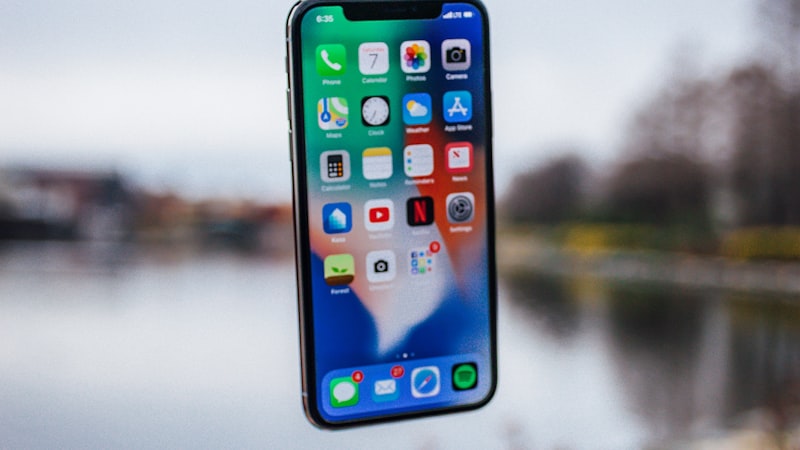
One of the primary advantages of a foldable iPhone is its larger display, which can be used to enhance the iCloud Keychain experience. Instead of relying solely on the smaller cover display, users can utilize the unfolded screen for easier password generation, management, and two-factor authentication. The larger interface allows for a clearer presentation of password details, security recommendations, and related settings.
For example, creating a new password on a website or app can be streamlined. The unfolded display offers ample space to view password complexity requirements, generate strong passwords using iCloud Keychain's built-in tool, and save them securely without navigating multiple screens. This reduces the friction associated with password management, encouraging users to adopt stronger security practices.
Seamless Integration Across Displays
A key consideration is the seamless transition between the cover display and the unfolded display when accessing iCloud Keychain. Users should be able to authenticate using Face ID or a passcode on either screen and immediately access their stored credentials. This requires careful software optimization to ensure that the Keychain is readily available regardless of the device's folded state. The Continuity features, which Apple has honed over years, are crucial for ensuring a smooth user experience when switching between the two displays.
Two-Factor Authentication on the Foldable iPhone
Two-factor authentication (2FA) adds an extra layer of security to online accounts, requiring users to provide a code in addition to their password. iCloud Keychain can store and automatically fill in these codes, simplifying the 2FA process. On a foldable iPhone, the larger screen makes it easier to view and manage 2FA codes for various accounts. Users can also set up hardware security keys and link them to their iCloud Keychain for even greater security. As we explored in our analysis of display technology at iPhone View (https://iphoneview.com), the screen quality significantly impacts readability and user experience, especially when dealing with sensitive information like security codes.
Security Considerations and Best Practices
While iCloud Keychain provides a convenient and secure way to manage passwords, it's essential to follow best practices to mitigate potential risks. Users should enable two-factor authentication for their Apple ID to protect their entire iCloud account, including their Keychain data. Regularly reviewing and updating passwords is also crucial, especially for accounts with weak or reused credentials. Apple provides security recommendations within iCloud Keychain to help users identify and address potential vulnerabilities.
Alternative Password Managers
While iCloud Keychain is deeply integrated into the Apple ecosystem, alternative password managers like 1Password, LastPass, and Dashlane offer cross-platform compatibility and additional features. Users who frequently switch between iOS, Android, and Windows devices may find these options more suitable. These password managers typically offer similar security features, including strong password generation, two-factor authentication, and secure storage. Ultimately, the best password manager depends on individual needs and preferences.
The Future of Secure Authentication
The foldable iPhone represents a significant evolution in mobile device design, and iCloud Keychain will continue to adapt to meet the evolving security needs of users. Future enhancements may include tighter integration with biometric authentication methods, improved password sharing capabilities, and enhanced security alerts to proactively address potential threats. By prioritizing security and user experience, Apple can ensure that iCloud Keychain remains a valuable tool for managing passwords on the foldable iPhone and beyond.
Questions readers ask
How does foldable icloud keychain security stack up against what Samsung or Google already ship?
Android OEMs reached this corner of the market first, but they did so with looser tolerances on durability and software polish. Apple's bet is that arriving second with a tighter integration story wins more buyers than arriving first.
Have patents or job listings hinted at foldable icloud keychain security?
Yes — recent USPTO filings reference adjacent mechanisms, and Apple has been quietly posting roles in the relevant hardware and software teams. None of that guarantees a ship date, but it confirms the project is actively staffed.
Who is the realistic day-one buyer for foldable icloud keychain security?
Enthusiasts and developers buy the first run. Mainstream adoption tracks the second-generation revision, once the rough edges are sanded down and the price comes in roughly $100 lower at the same tier.
Does iOS need rearchitecting to make foldable icloud keychain security work properly?
Apple would need a window manager or surface-handling layer in iOS to do this well. The plumbing already exists on iPadOS in a limited form, so the engineering question is less invention and more refinement.
In short — what's the takeaway on two-factor authentication on the foldable iphone?
It comes back to whether Apple can ship foldable icloud keychain security without compromising the parts of the iPhone people already pay for. The detail in this section is where that case is made or broken.