eSIM-Only iPhone: Navigating the Transition and Its Implications
The eSIM-Only iPhone: A New Era of Connectivity
Apple's transition to eSIM-only iPhones in select markets has been a significant step, signaling a move towards a more digital and flexible approach to cellular connectivity. While the initial rollout was met with some resistance, the benefits of eSIM technology are becoming increasingly apparent. This article explores the implications of this shift, focusing on practical considerations for users.
Editor's pick: iPhone Pro Max cases & grips on Amazon → As an Amazon Associate, this site earns from qualifying purchases.
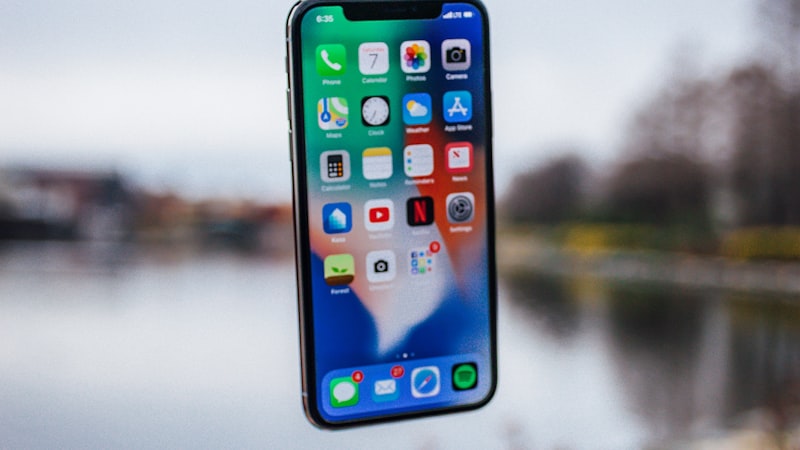
Understanding eSIM Technology
Unlike traditional physical SIM cards, eSIMs (embedded SIMs) are digital SIMs that are built directly into the device. They allow users to activate cellular plans without needing to insert or swap physical cards. This technology offers several advantages:
- Flexibility: Easily switch between different carriers and plans without physically changing SIM cards. This is particularly useful for travelers.
- Space Saving: Eliminating the physical SIM card tray frees up internal space, potentially allowing for larger batteries or other components.
- Security: eSIMs are more difficult to remove or tamper with compared to physical SIM cards, providing an extra layer of security against theft or unauthorized access.
International Travel: A Key Benefit
One of the most compelling advantages of eSIM-only iPhones is the ease with which users can connect to local networks while traveling abroad. Instead of purchasing a physical SIM card upon arrival, users can simply download and activate an eSIM plan from a local carrier. Many carriers now offer competitive short-term data plans specifically designed for travelers, making it more convenient and cost-effective to stay connected.
However, it's crucial to research available eSIM plans in your destination before traveling. Not all countries have widespread eSIM support, and some carriers may offer better deals than others. Apps like Airalo and GigSky provide platforms for purchasing and managing international eSIM plans, simplifying the process for users.
Carrier Flexibility and Choosing the Right Plan
eSIMs empower users with greater control over their cellular plans. You are no longer tied to a specific carrier due to a physical SIM card. This makes it easier to compare plans, switch providers, and take advantage of promotional offers. Many carriers now offer competitive eSIM-only plans, often with attractive data allowances and pricing.
Before making the switch to an eSIM-only plan, it's essential to check your device's compatibility and ensure that your preferred carrier supports eSIM activation. Most major carriers now offer eSIM support, but it's always best to confirm directly with the provider.
Security Considerations
eSIMs offer enhanced security compared to traditional SIM cards. Because they are embedded in the device, they are less susceptible to physical theft or tampering. This can be particularly important in situations where your device is lost or stolen. Additionally, some carriers offer features like eSIM locking, which prevents unauthorized activation of the eSIM on another device.
Potential Drawbacks and Challenges
While eSIM technology offers numerous benefits, there are also some potential drawbacks to consider:
- Device Compatibility: Not all devices support eSIM technology. Ensure that your device is eSIM-compatible before making the switch.
- Carrier Support: While eSIM support is growing, it is not yet universally available. Check with your preferred carrier to confirm that they offer eSIM activation.
- Troubleshooting: Troubleshooting eSIM issues can sometimes be more complex than with physical SIM cards. You may need to contact your carrier for assistance with activation or other problems.
- Data Privacy: As with any digital technology, it's crucial to be aware of the data privacy implications of using eSIMs. Research the privacy policies of your carrier and any eSIM management apps you use.
The Future of SIM Technology
The transition to eSIM-only iPhones represents a significant shift in the way we connect to cellular networks. As the technology matures and becomes more widely adopted, we can expect to see even greater flexibility, security, and convenience for users. While some challenges remain, the benefits of eSIM technology are clear, paving the way for a more digital and connected future. As we explored in our analysis of display technology at iPhone View, optimizing screen space through features like virtual SIM management becomes increasingly valuable. iPhone View