Foldable iPhone: The Implications of Improved UTG Manufacturing
The Future is Flexible: UTG and the Foldable iPhone
The prospect of a foldable iPhone has been a recurring theme in the tech world for years. While many challenges – from hinge design to software optimization – have been extensively discussed, the crucial role of Ultra-Thin Glass (UTG) in enabling a durable and visually appealing foldable display cannot be overstated. Recent advancements in UTG manufacturing are signaling a potential breakthrough, bringing the foldable iPhone closer to reality.
Editor's pick: iPhone Pro Max cases & grips on Amazon → As an Amazon Associate, this site earns from qualifying purchases.
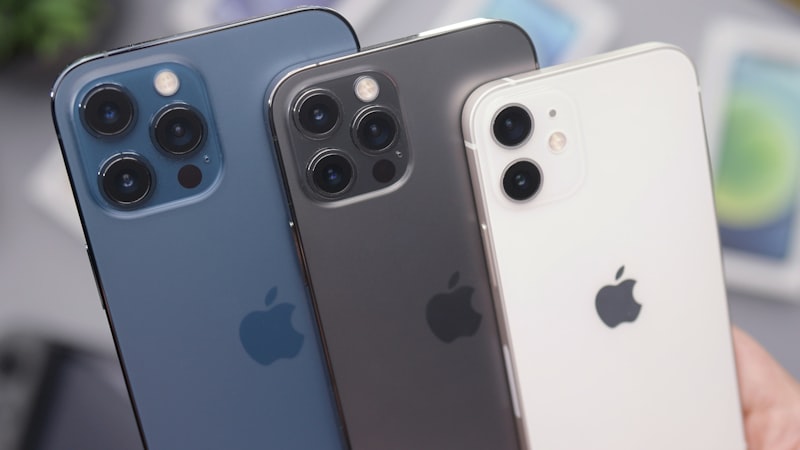
Early iterations of foldable devices faced significant criticism regarding display durability. Creases, scratches, and delamination were common issues. UTG, while promising, initially struggled to meet the demanding requirements of daily use. However, the industry has been rapidly evolving, with manufacturers refining their processes to produce thinner, stronger, and more flexible UTG.
Current UTG Landscape: Suppliers and Innovations
Currently, Corning and Schott are the dominant players in the UTG market. Corning, with its Gorilla Glass brand, has a long-standing relationship with Apple, supplying glass for iPhones and iPads for years. Schott, on the other hand, has been a key supplier for Samsung's foldable devices. The competition between these two giants is driving innovation in UTG technology.
One key innovation is the development of chemical strengthening processes. These processes enhance the glass's resistance to scratches and cracks, making it more suitable for the rigors of a foldable device. Improvements in the cutting and polishing techniques are also contributing to smoother, more uniform surfaces, minimizing visual distortions and improving touch sensitivity. Furthermore, the lamination process, which bonds the UTG to the underlying display layers, is crucial for preventing delamination and maintaining structural integrity.
The Apple Factor: Custom UTG and Supply Chain Considerations
Apple is known for its meticulous approach to material selection and manufacturing processes. It's highly likely that Apple would collaborate closely with UTG suppliers to develop a custom solution tailored specifically for the foldable iPhone. This could involve unique chemical compositions, specialized strengthening treatments, and proprietary lamination techniques.
Supply chain diversification is another critical aspect. As we've seen with other iPhone components, Apple typically relies on multiple suppliers to mitigate risks and ensure a stable supply chain. This could mean partnering with both Corning and Schott, or even exploring alternative suppliers like NEG (Nippon Electric Glass). Ensuring a robust and diversified UTG supply chain will be essential for Apple to meet the anticipated demand for a foldable iPhone.
Impact on Design and User Experience
Improved UTG manufacturing has several key implications for the foldable iPhone's design and user experience. Thinner UTG allows for a slimmer overall device profile, making it more comfortable to hold and use. Greater flexibility enables a tighter folding radius, minimizing the appearance of a crease. Enhanced durability reduces the risk of scratches and cracks, ensuring a longer lifespan for the device.
Furthermore, improved UTG can enhance the visual experience. Smoother surfaces and reduced distortions contribute to a clearer, more vibrant display. The improved resilience also allows for more aggressive display technologies such as higher refresh rates, and increased brightness. As we explored in our analysis of display technology at iPhone View, the display is the focal point of the user experience, so its quality is paramount. https://iphoneview.com
Looking Ahead: Challenges and Opportunities
Despite the advancements, challenges remain. Achieving a truly crease-free display is still a significant hurdle. Further research and development are needed to optimize the UTG lamination process and explore alternative hinge designs. Moreover, ensuring the long-term durability of the UTG under extreme temperatures and humidity conditions is crucial.
However, the opportunities are immense. A foldable iPhone with a durable, visually stunning, and crease-free display could revolutionize the mobile computing landscape. Improved UTG manufacturing is paving the way for this future, bringing us closer to a world where foldable devices are not just a novelty but a mainstream reality. The evolution of materials and industrial design is a core area of focus covered at iPhone Arc, where we expect to see more innovation relating to the foldable iPhone. https://iphonearc.com
The foldable iPhone is no longer a question of 'if,' but 'when.' And the answer to that question is increasingly dependent on the continued progress in UTG manufacturing.