Foldable iPhone: Exploring the Potential of Under-Panel Face ID Integration
Foldable iPhone: Exploring the Potential of Under-Panel Face ID Integration
The foldable iPhone, anticipated for release in late 2026, presents a unique set of engineering challenges for Apple. While much discussion has centered on display durability and hinge mechanisms, another critical area of innovation lies in the integration of front-facing sensors, particularly Face ID, beneath the display panel.
Editor's pick: iPhone Pro Max cases & grips on Amazon → As an Amazon Associate, this site earns from qualifying purchases.
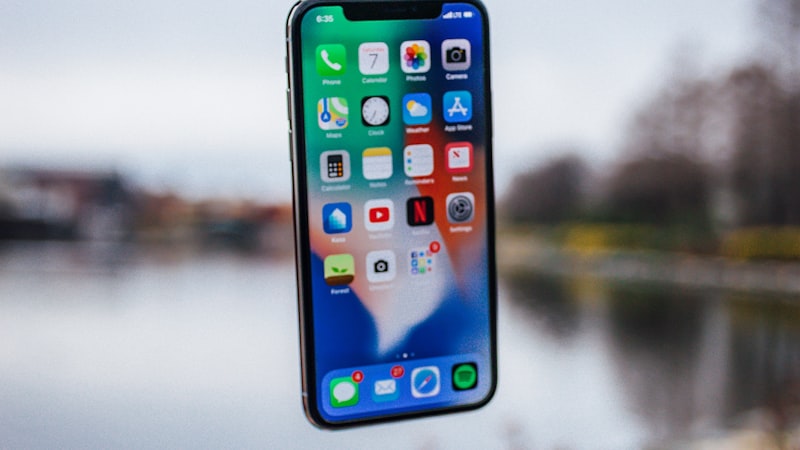
The current implementation of Face ID, relying on a notch or Dynamic Island, is incompatible with the desired aesthetic of a seamless, foldable screen. Integrating the TrueDepth camera system under the display offers a compelling solution, allowing for a cleaner, more immersive user experience. However, this approach introduces significant technical hurdles.
Light Transmission and Sensor Performance
The primary challenge lies in ensuring sufficient light transmission through the OLED panel to the Face ID sensors. The OLED material inherently blocks a portion of the light spectrum, which can significantly degrade the performance of the infrared dot projector and camera used for facial recognition. To mitigate this, Apple is reportedly exploring several potential solutions.
- Optimized OLED Material: Developing a custom OLED material with enhanced transparency in the infrared spectrum is crucial. This requires careful engineering of the organic compounds used in the display, balancing transparency with other essential display characteristics like color accuracy and brightness.
- Micro-Lens Arrays: The implementation of micro-lens arrays on the display surface directly above the Face ID sensors could help focus and direct light towards the sensors, improving signal strength and reducing light scattering.
- Advanced Image Processing: Sophisticated image processing algorithms are necessary to compensate for any remaining light attenuation and distortion caused by the OLED panel. This involves advanced noise reduction and signal enhancement techniques.
Spatial Constraints and Component Miniaturization
Integrating the TrueDepth camera system under the display also presents spatial challenges. The existing Face ID module is relatively bulky, and miniaturization is essential for successful under-panel integration. Apple has been actively investing in component miniaturization, including:
- Wafer-Level Optics: Utilizing wafer-level optics for the infrared camera and dot projector allows for smaller, more integrated lens designs.
- Stacked Sensor Architecture: Employing a stacked sensor architecture, where multiple layers of sensor components are vertically integrated, can reduce the overall footprint of the Face ID module.
- System-on-Chip (SoC) Integration: Integrating the processing logic for Face ID directly into the main system-on-chip (SoC) can further reduce the size and power consumption of the dedicated Face ID hardware.
Supply Chain Implications
The successful implementation of under-panel Face ID relies heavily on close collaboration with display manufacturers like Samsung Display and LG Display. These companies are expected to play a key role in developing the specialized OLED materials and manufacturing processes required for this technology. Rumors suggest Apple is working closely with these suppliers to develop custom equipment and processes for manufacturing the foldable iPhone's display.
Impact on Display Quality
Introducing a dedicated area for Face ID under the panel could affect the uniformity and visual fidelity of the display. As we explored in our analysis of display technology at iPhone View, maintaining consistent brightness and color across the entire display surface is critical for a premium viewing experience. Apple needs to ensure that the presence of the under-panel Face ID module does not create noticeable variations in display quality.
The Future of Authentication
While under-panel Face ID offers a compelling solution for the foldable iPhone, Apple is likely exploring alternative authentication methods as well. Under-display fingerprint sensors are becoming increasingly common in Android devices, and Apple could potentially incorporate this technology as a secondary authentication method, providing redundancy and enhanced security. The foldable iPhone represents a significant step towards a truly seamless and immersive user experience, and the integration of Face ID under the display is a crucial element in achieving that vision.
Questions readers ask
Does foldable under panel face require new developer APIs, or can existing apps adapt?
Apple historically ships a quiet developer API the year before the hardware lands, so existing apps that follow human-interface guidelines should adapt with modest work. Apps that hard-code layouts will need updates.
What would convince a sceptical reviewer that foldable under panel face is worth it?
Hands-on time is the only honest test. A reviewer's first hour with the device tells them whether foldable under panel face is solving a real problem they had, or a feature looking for a use case. The reviews following launch will be the verdict.
Will foldable under panel face replace the current model or sit alongside it?
The likeliest path is co-existence — a new variant alongside the existing lineup, not a replacement. Apple's segmentation playbook keeps the older model around at a lower price for at least one cycle to absorb the gap.
How does foldable under panel face stack up against what Samsung or Google already ship?
Android OEMs reached this corner of the market first, but they did so with looser tolerances on durability and software polish. Apple's bet is that arriving second with a tighter integration story wins more buyers than arriving first.
In short — what's the takeaway on the future of authentication?
It comes back to whether Apple can ship foldable under panel face without compromising the parts of the iPhone people already pay for. The detail in this section is where that case is made or broken.