Foldable iPhone: Navigating the Challenges of Screen Protector Application
Foldable iPhone: Navigating the Challenges of Screen Protector Application
The advent of foldable smartphones has introduced a new set of challenges for users accustomed to protecting their devices. While screen protectors have become a staple accessory for standard smartphones, applying them to a foldable display, like the one anticipated for the foldable iPhone, requires a different approach and understanding of the underlying technology.
Editor's pick: iPhone Pro Max cases & grips on Amazon → As an Amazon Associate, this site earns from qualifying purchases.
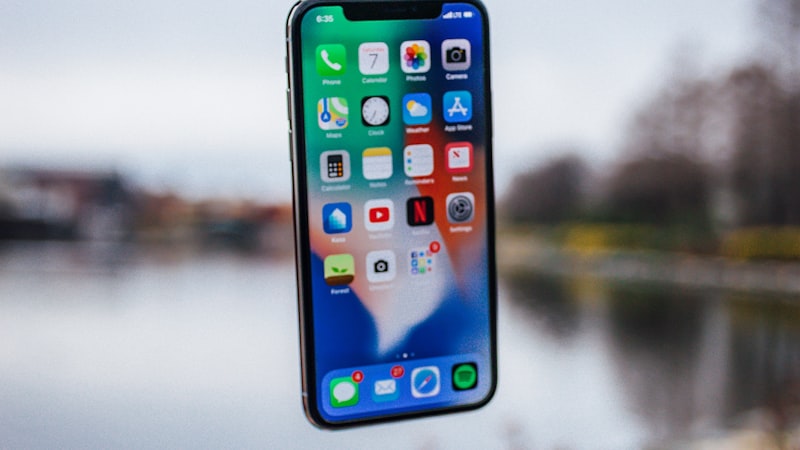
The Unique Properties of Foldable Displays
Foldable displays differ significantly from their rigid counterparts. They rely on flexible substrates, often utilizing ultra-thin glass (UTG) covered with a protective polymer layer. This construction allows the screen to bend without breaking, but it also makes it more susceptible to scratches and damage from improper handling. The inherent flexibility also presents challenges for screen protector application, as the protector must conform to the curvature of the fold without creating air bubbles or compromising the folding mechanism.
Material Considerations
The choice of material for a foldable iPhone screen protector is crucial. Traditional tempered glass protectors, commonly used on standard smartphones, are generally unsuitable for foldable devices due to their rigidity. Instead, manufacturers are exploring alternative materials like:
- Thermoplastic Polyurethane (TPU): TPU is a flexible and self-healing material that can withstand bending and stretching. It offers decent scratch resistance and can effectively protect the screen from minor impacts.
- Polyethylene Terephthalate (PET): PET is a thinner and more affordable option compared to TPU. While it provides basic scratch protection, it is less durable and offers limited impact resistance.
- Hybrid Materials: Some manufacturers are experimenting with hybrid materials that combine the flexibility of TPU with the scratch resistance of PET or other coatings. These hybrid solutions aim to strike a balance between protection and usability.
Application Techniques
Applying a screen protector to a foldable display requires precision and patience. The following steps can help ensure a successful application:
- Clean the Screen: Thoroughly clean the display with a microfiber cloth and a screen cleaning solution to remove dust, fingerprints, and other debris.
- Align the Protector: Carefully align the screen protector with the display, paying close attention to the edges and the hinge area.
- Apply Pressure: Gently apply pressure to the center of the screen protector and gradually work your way outwards, using a squeegee or a credit card to remove air bubbles.
- Address the Hinge Area: The hinge area is particularly susceptible to air bubbles and lifting. Use a soft cloth to carefully press down on the protector along the hinge line, ensuring a secure bond.
Potential Issues and Solutions
Even with careful application, several issues can arise when using screen protectors on foldable displays:
- Air Bubbles: Air bubbles can form between the screen protector and the display, especially in the hinge area. Using a squeegee and applying firm pressure can help remove these bubbles.
- Lifting: The edges of the screen protector may start to lift over time, especially in areas that experience frequent bending. Using a case that provides additional support can help prevent lifting.
- Creasing: Some screen protectors may develop creases along the fold line, which can affect the display's appearance and functionality. Choosing a high-quality screen protector designed specifically for foldable displays can minimize creasing.
- Impact on Display Quality: Some screen protectors can reduce the display's clarity or brightness. Opting for a screen protector with high transparency can help maintain optimal display quality. As we explored in our analysis of display technology at iPhone View (https://iphoneview.com), screen clarity and color accuracy are crucial factors in user experience.
Conclusion
Protecting the foldable iPhone's display will require a different approach than traditional smartphones. By understanding the unique properties of foldable displays, choosing the right screen protector material, and following proper application techniques, users can effectively safeguard their investment and ensure a long-lasting and enjoyable experience.
Questions readers ask
What's the biggest tradeoff Apple has to swallow for foldable screen protector application?
Every Apple decision is a tradeoff, and the obvious one here is internal volume. Adding foldable screen protector application costs millimetres somewhere — usually battery capacity or camera module depth — and Apple has to decide which line item to trim.
What does foldable screen protector application actually cost — in price, weight, or battery?
Expect a premium of roughly $200–300 over the standard model, plus a small weight penalty. Battery life is the bigger variable — early prototypes typically trade an hour or two of screen-on time for the new capability, then claw it back over a generation.
How does foldable screen protector application change the upgrade calculus for existing owners?
Existing owners weigh foldable screen protector application against the upgrade they were already planning. If the feature is meaningful for daily use, it pulls forward upgrades by about a year; if it is novelty, it shifts nothing.
Does foldable screen protector application require new developer APIs, or can existing apps adapt?
Apple historically ships a quiet developer API the year before the hardware lands, so existing apps that follow human-interface guidelines should adapt with modest work. Apps that hard-code layouts will need updates.
In short — what's the takeaway on material considerations?
It comes back to whether Apple can ship foldable screen protector application without compromising the parts of the iPhone people already pay for. The detail in this section is where that case is made or broken.