Foldable iPhone: The Challenges of Pen Computing and Palm Rejection
Foldable iPhone: The Challenges of Pen Computing and Palm Rejection
The highly anticipated foldable iPhone, expected to debut in late 2026, presents unique challenges for pen computing and effective palm rejection. While the larger display area offers an inviting canvas for stylus input, ensuring a seamless and natural user experience requires overcoming significant hurdles in both hardware and software.
Editor's pick: iPhone Pro Max cases & grips on Amazon → As an Amazon Associate, this site earns from qualifying purchases.
The Surface Area Problem
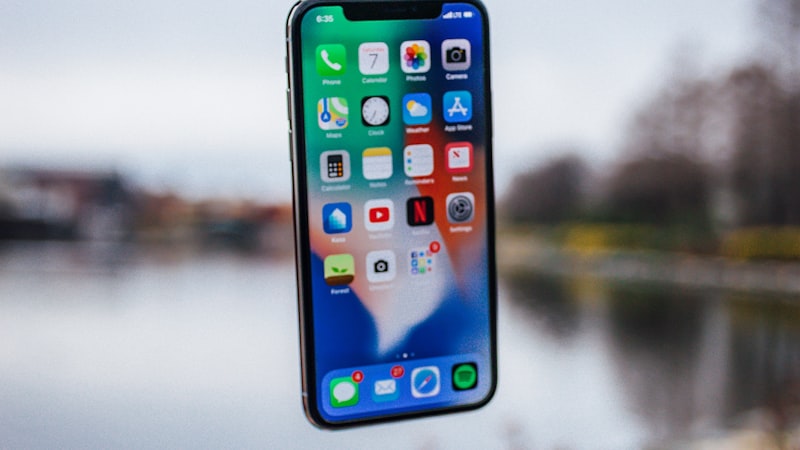
Unlike traditional tablets, the foldable iPhone introduces a dynamic display surface. In its fully unfolded state, the device presents a significantly larger writing area, potentially leading to issues with palm detection. Users naturally rest their palm on the screen while writing or drawing, and accurately distinguishing between intentional stylus input and unintentional palm contact is crucial. Existing palm rejection algorithms, often optimized for smaller, static displays, may struggle with the increased surface area and variable screen curvature of the foldable iPhone. Furthermore, the crease, even if minimized, can still affect palm rejection performance, potentially triggering unintended actions or disrupting the writing flow.
Hardware Considerations: Stylus Technology and Sensor Integration
Apple's existing Pencil technology, while advanced, might require adaptation for the foldable iPhone. The device's flexible display necessitates a stylus that can accurately track movement across a non-rigid surface. This could involve advancements in pressure sensitivity and tilt recognition, coupled with enhanced sensor integration within the display itself. The use of multiple sensors distributed across the display panel may be necessary to provide accurate positional data, especially near the hinge area where the display curvature is most pronounced. The integration of these sensors without adding significant thickness or compromising the display's flexibility presents a significant engineering challenge. Apple's patent portfolio provides clues regarding potential solutions, including the use of micro-sensors embedded within the display layers.
Software Solutions: Intelligent Algorithms and User Customization
Even with advanced hardware, software plays a pivotal role in achieving reliable palm rejection. Intelligent algorithms are needed to differentiate between stylus input, palm contact, and accidental touches. These algorithms must consider various factors, including pressure, surface area, and movement patterns. Machine learning models, trained on vast datasets of user interactions, can learn to identify and filter out unwanted inputs with high accuracy. Furthermore, user customization options are essential. Allowing users to adjust palm rejection sensitivity, define specific palm rest areas, or even disable palm rejection entirely for certain applications provides a tailored and personalized experience. The software must also account for different grip styles and writing habits, ensuring that the palm rejection system adapts to individual user preferences.
Ergonomic Challenges and User Experience
The foldable form factor introduces unique ergonomic challenges for pen computing. The device's weight and balance, particularly when unfolded, can affect writing comfort and precision. Holding the device in a stable position while writing or drawing for extended periods requires careful consideration of its weight distribution and overall design. Apple might explore accessories, such as a magnetic stand or a dedicated grip, to enhance ergonomics and stability. The software interface must also be optimized for stylus input. Menus, toolbars, and other UI elements should be easily accessible and navigable with the stylus, minimizing the need for finger-based interactions. As we explored in our analysis of display technology at iPhone View, the responsiveness of the display is also critical for a natural pen-on-paper feel. Low latency and high refresh rates are essential to ensure that the stylus input is accurately reflected on the screen.
The Future of Pen Computing on the Foldable iPhone
Achieving seamless pen computing and effective palm rejection on the foldable iPhone requires a holistic approach, encompassing advancements in hardware, software, and ergonomics. By addressing the unique challenges posed by the device's dynamic display surface and foldable form factor, Apple can unlock the full potential of stylus input and create a truly versatile and intuitive user experience. The success of the foldable iPhone as a creative tool will depend heavily on its ability to deliver a natural and responsive pen-on-screen experience, free from the frustrations of unintended inputs and ergonomic discomfort.