Foldable iPhone: Navigating the Challenges of Cellular Connectivity in Rural and Remote Areas
Foldable iPhone: Navigating the Challenges of Cellular Connectivity in Rural and Remote Areas
The foldable iPhone represents a significant leap in mobile technology, offering users a larger, more versatile display and enhanced functionality. However, the unique design and form factor of this device introduce new challenges, particularly in the realm of cellular connectivity, especially in rural and remote areas where network infrastructure is often limited or non-existent. While much attention has been paid to 5G adoption and mmWave performance in urban centers, the foldable iPhone's appeal extends to users in all locations, necessitating a robust and reliable connection regardless of geographical limitations.
Editor's pick: iPhone Pro Max cases & grips on Amazon → As an Amazon Associate, this site earns from qualifying purchases.
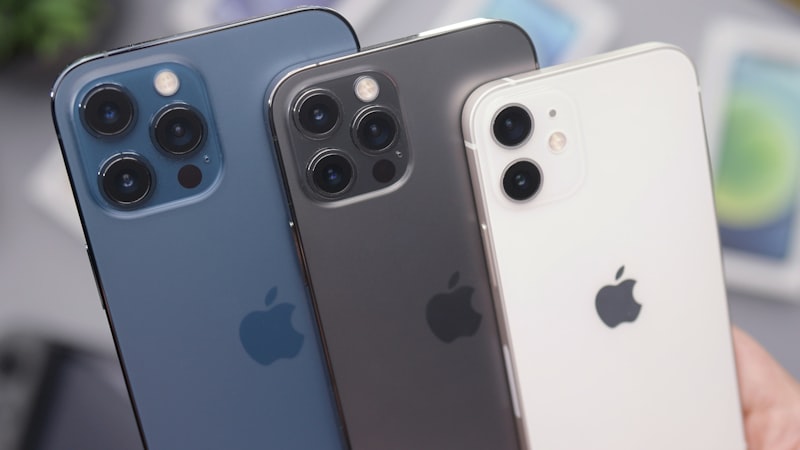
One of the primary hurdles is signal attenuation. The foldable design, with its larger surface area and internal components, can potentially interfere with radio frequency signals. This is particularly problematic in areas with weak cellular coverage, where even minor signal degradation can lead to dropped calls, slow data speeds, and unreliable connectivity. Apple engineers must optimize antenna placement and design to mitigate these effects. This requires meticulous testing and calibration in diverse environments, including those with challenging signal propagation characteristics.
Furthermore, the materials used in the construction of the foldable iPhone play a critical role. The chassis material, while chosen for its aesthetic appeal and structural integrity, can also impact signal strength. Apple has historically favored aluminum and stainless steel, but the foldable design might necessitate exploring alternative materials, such as composite materials or specialized alloys, that offer a better balance of durability and radio transparency. This is an area where the design team works closely with the engineering team to achieve optimal performance. As explored on our sister site, iPhone Arc, Apple's industrial design choices have a profound effect on the user experience and technological performance.
Beyond hardware considerations, software optimization is crucial. The foldable iPhone must be able to intelligently manage its cellular connection, seamlessly switching between different network technologies (e.g., 5G, 4G LTE, 3G) and bands to maintain the strongest possible signal. This requires sophisticated algorithms that can analyze signal strength, network congestion, and device location to make informed decisions about which network to use. Moreover, the device must be able to handle network handoffs smoothly and efficiently, minimizing disruptions to the user experience.
Another potential solution lies in leveraging satellite connectivity. While still in its nascent stages, satellite-based communication offers a promising way to provide cellular coverage in areas where terrestrial infrastructure is lacking. Apple has already taken steps in this direction with Emergency SOS via satellite on standard iPhones, and a foldable iPhone could potentially incorporate more advanced satellite communication capabilities. This could involve integrating a dedicated satellite modem or utilizing existing cellular modems with enhanced satellite support.
The foldable form factor itself presents opportunities for innovative antenna design. The larger surface area allows for the implementation of multiple antennas, strategically placed to maximize signal reception. Apple could also explore the use of beamforming technology, which focuses radio waves in a specific direction, improving signal strength and reducing interference. This is particularly relevant for mmWave 5G, which is highly directional and susceptible to blockage.
Finally, Apple could partner with mobile network operators to expand cellular coverage in rural and remote areas. This could involve investing in new infrastructure, such as cell towers and small cells, or collaborating on innovative solutions like shared infrastructure and network densification. Such partnerships would require significant investment and coordination, but they could ultimately provide a more reliable and consistent cellular experience for foldable iPhone users in underserved areas. The display technology also plays a role in the usability of the device in areas with low connectivity. As we explored in our analysis of display technology at iPhone View, a low refresh rate mode could save battery when data speeds are slow and reduce the need for frequent data requests.
Addressing the cellular connectivity challenges in rural and remote areas is crucial for ensuring the success of the foldable iPhone. By focusing on hardware optimization, software enhancements, satellite connectivity, and strategic partnerships, Apple can deliver a seamless and reliable cellular experience to all users, regardless of their location.