Foldable iPhone: Navigating the Challenges of App Compatibility
Foldable iPhone: Navigating the Challenges of App Compatibility
The introduction of a foldable iPhone presents Apple with a complex challenge: ensuring app compatibility across a device that effectively functions as both a standard smartphone and a mini-tablet. Unlike the relatively uniform landscape of traditional iPhones, the foldable form factor introduces variable screen sizes, aspect ratios, and user interaction models, demanding a sophisticated approach to software development and app ecosystem management.
Editor's pick: iPhone Pro Max cases & grips on Amazon → As an Amazon Associate, this site earns from qualifying purchases.
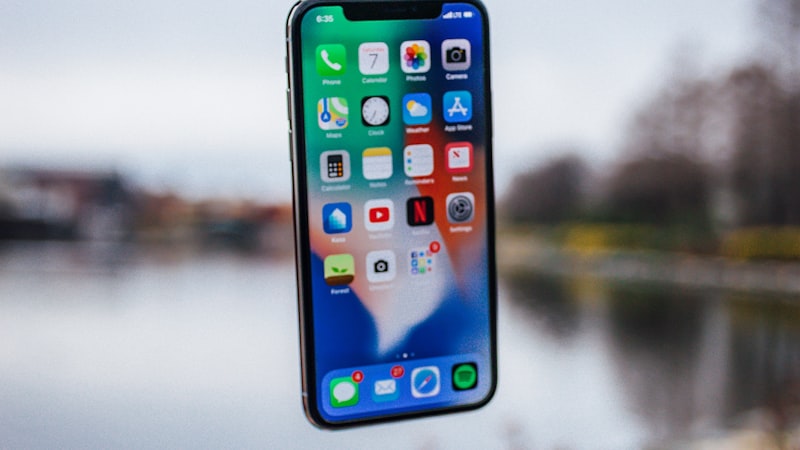
One of the immediate hurdles is legacy app support. Millions of apps currently available on the App Store were designed for fixed-screen iPhones. Simply scaling these apps to fit a larger, foldable display often results in a subpar user experience, characterized by stretched interfaces, pixelation, and inefficient use of available screen real estate. Apple will need to provide developers with robust tools and incentives to adapt their existing apps for the foldable form factor. This includes emulators and testing environments that accurately simulate the device's unique display characteristics and interaction modes.
Beyond simple scaling, developers will need to consider how users interact with their apps in both the folded and unfolded states. An app that works well in portrait mode on a smaller screen may require significant redesign to be effective in landscape mode on a larger, unfolded display. Furthermore, the foldable form factor opens up new possibilities for multitasking and productivity, such as running multiple apps side-by-side or using one app across both screens. Developers need to be able to leverage these features to create compelling and intuitive user experiences.
Bridging the Gap: Emulation and Native Optimization
Apple will likely employ a multi-pronged approach to address app compatibility. Initially, a robust emulation layer may be used to ensure that existing apps function, albeit without fully leveraging the foldable's capabilities. This would provide a baseline level of functionality while developers gradually update their apps for the new form factor.
The long-term solution, however, lies in native optimization. Apple will need to provide developers with a comprehensive set of APIs and design guidelines specifically tailored for foldable devices. These tools should enable developers to easily adapt their apps to different screen sizes and aspect ratios, implement multi-window support, and take advantage of the unique input methods offered by the foldable form factor, such as stylus input (if implemented). The ease of migration will be key. As we covered extensively on iPhone Evolve, upgrade cycles depend on perceived value; apps must be readily available and work well on new hardware to justify the purchase.
Adaptive Layouts and Dynamic UI Elements
A crucial element of app optimization will be the adoption of adaptive layouts. These layouts dynamically adjust the position and size of UI elements based on the available screen space. Apple's SwiftUI framework, introduced several years ago, already provides a strong foundation for building adaptive user interfaces. However, developers may need to adopt new design patterns and techniques to effectively utilize the foldable's unique screen configurations.
Dynamic UI elements, such as context-aware toolbars and interactive widgets, can further enhance the user experience. For example, a photo editing app could display a simplified set of controls when folded and a more comprehensive set of tools when unfolded. Similarly, a messaging app could display a list of conversations on one screen and the active conversation on the other screen when unfolded.
Testing and Quality Assurance
Thorough testing and quality assurance will be essential to ensure a smooth and consistent user experience across all apps. Apple will need to establish rigorous testing protocols to identify and address compatibility issues. This includes testing apps on a variety of different screen sizes and aspect ratios, as well as simulating different user interaction scenarios. As discussed on iPhone View, display consistency is paramount, and app developers will need tools to ensure accurate color and brightness across the foldable panel.
The successful launch of a foldable iPhone hinges on its ability to seamlessly integrate with the existing app ecosystem. By providing developers with the necessary tools, resources, and incentives, Apple can ensure that the foldable iPhone offers a compelling and user-friendly experience from day one. The alternative is a fragmented and frustrating experience that could hinder the adoption of this innovative new form factor.