Beyond WebKit: Navigating iPhone's New Era of Browser Engine Choice
For well over a decade, the landscape of web browsing on iPhone was largely dictated by Apple's WebKit. While you could download and use browsers like Chrome, Firefox, or Edge, these applications were historically constrained to using WebKit, the same rendering engine powering Safari. This meant that regardless of your preferred browser's brand, the underlying technology rendering web pages was identical across all of them.
Editor's pick: iPhone Pro Max cases & grips on Amazon → As an Amazon Associate, this site earns from qualifying purchases.
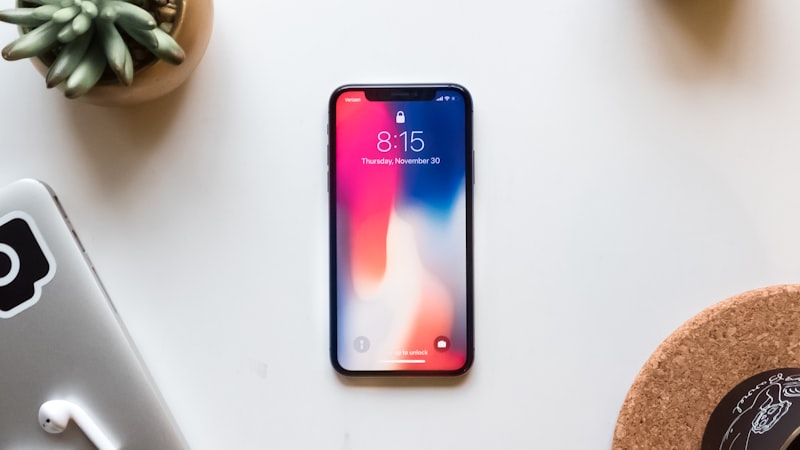
However, recent regulatory shifts, particularly the European Union's Digital Markets Act (DMA), have ushered in a significant change. Apple has opened up iOS to allow third-party browsers to utilise their own independent browser engines, fundamentally altering the browsing experience on iPhone. This move marks a new era for iPhone users, offering genuine choice and paving the way for greater innovation and competition in the mobile browsing space.
Understanding Browser Engines and Their Impact
Before diving into the implications, it's crucial to understand what a browser engine is. Essentially, it's the core software component responsible for taking web code (HTML, CSS, JavaScript) and rendering it into the visual web page you see on your screen. Different engines interpret and display web content in distinct ways, often excelling in specific areas like performance, security, or adherence to emerging web standards.
- WebKit: Developed by Apple, powers Safari and, until recently, all third-party browsers on iOS.
- Blink: Developed by Google, powers Chrome, Edge, and Opera (among others) on desktop and Android.
- Gecko: Developed by Mozilla, powers Firefox on desktop and Android.
The ability for browsers like Chrome to now use Blink, or Firefox to use Gecko, on iOS means that the distinct characteristics and optimisations of these engines can finally be brought to the iPhone. This is not merely a branding exercise; it's a technical evolution that directly impacts how web content loads, performs, and interacts on your device.
The Benefits of True Browser Diversity on iPhone
The transition to an open browser engine ecosystem on iOS brings several compelling advantages for users and developers alike:
Increased Competition and Innovation
With proprietary engines, browser developers can truly differentiate their products beyond just user interface design. This fosters healthy competition, driving innovation in areas such as rendering speed, memory efficiency, and the implementation of cutting-edge web technologies. Users stand to benefit from more feature-rich and performant options.
Performance and Feature Specialisation
Each browser engine has its strengths. Blink, for instance, is known for its aggressive optimisation for speed and its robust support for modern web APIs. Gecko often focuses on privacy and open web standards. Users can now choose a browser not just for its interface, but for the underlying engine that best suits their priorities, whether that's raw speed, specific developer tools, or particular privacy safeguards.
Enhanced Privacy Controls
Different browser engines and their respective browsers offer varying approaches to user privacy, tracking prevention, and data handling. With genuine engine choice, users gain greater control over their digital footprint. You can opt for an engine and browser combination that aligns most closely with your personal privacy preferences, rather than being limited to WebKit's inherent privacy mechanisms.
Improved Web Standards Compliance
A diverse engine landscape encourages broader and more consistent adoption of web standards. Developers no longer need to primarily target WebKit's quirks for iOS users; they can build for a wider range of engines, leading to more compatible and universally accessible web experiences across devices.
Practical Implications for iPhone Users
For the average iPhone user, embracing this new choice is straightforward:
- Update Your Apps: Browsers like Chrome, Firefox, and Edge will release updates that incorporate their native engines for iOS users in regions where the DMA applies. Simply updating your preferred browser app will likely enable these changes.
- Set Your Default Browser: iOS already allows you to set a default browser other than Safari. With the new engine options, this choice now carries more weight, as it truly dictates the underlying technology rendering your web pages. Navigate to Settings > [Your Browser App] > Default Browser App to make your selection.
- Experiment and Compare: The best way to find your ideal browsing experience is to try different browsers. Pay attention to how quickly pages load, how smoothly you can scroll, battery consumption, and the effectiveness of built-in features like ad blockers or reader modes.
Navigating the New Ecosystem: Considerations
While the benefits are substantial, there are a few considerations as this new ecosystem matures:
- Compatibility: While all engines aim for web standards, minor rendering differences might occasionally appear between them. Most major websites are built to be robust, but niche sites could display subtle variations.
- Security: Each engine has its own security update cycle. It's crucial to keep your chosen browser application updated to ensure you benefit from the latest security patches.
- Battery Life: Different engines might have varying power consumption profiles. Some might be more aggressive in their use of device resources, potentially impacting battery life. Real-world testing will reveal these nuances.
Optimizing Your Browsing Experience
To truly leverage this newfound freedom, we recommend exploring. Don't be afraid to download a few different browsers and use them for a week or two. Consider your specific needs: do you prioritise absolute speed, advanced privacy features, extensive extensions, or seamless integration with your desktop browsing habits? Features like reader modes or robust ad blockers can significantly enhance your content consumption, contributing to a more comfortable reading experience on your iPhone's display, a topic often explored at iPhone View.
The Future of Browsing on iOS
The availability of alternative browser engines on iPhone is more than just a technical update; it's a significant step towards a more open and user-empowering platform. It promises a future where your iPhone's web experience is not just dictated by Apple's choices, but by the collective innovation of the entire web development community. This shift is set to make your iPhone a more versatile and personalised device for engaging with the internet.